Diego focuses on stories from North and South America, from colonial history and pirates to cartels and the modern underworld. He is especially drawn to places where crime, power, and myth collide.
Central São Paulo holds an open-air crack market that has outlived every government for thirty years. Each crackdown only moves it a few blocks.
Ferdinand Magellan crossed an unknown ocean to reach the Philippines. He died in waist-deep water, killed by a chieftain who refused to kneel.
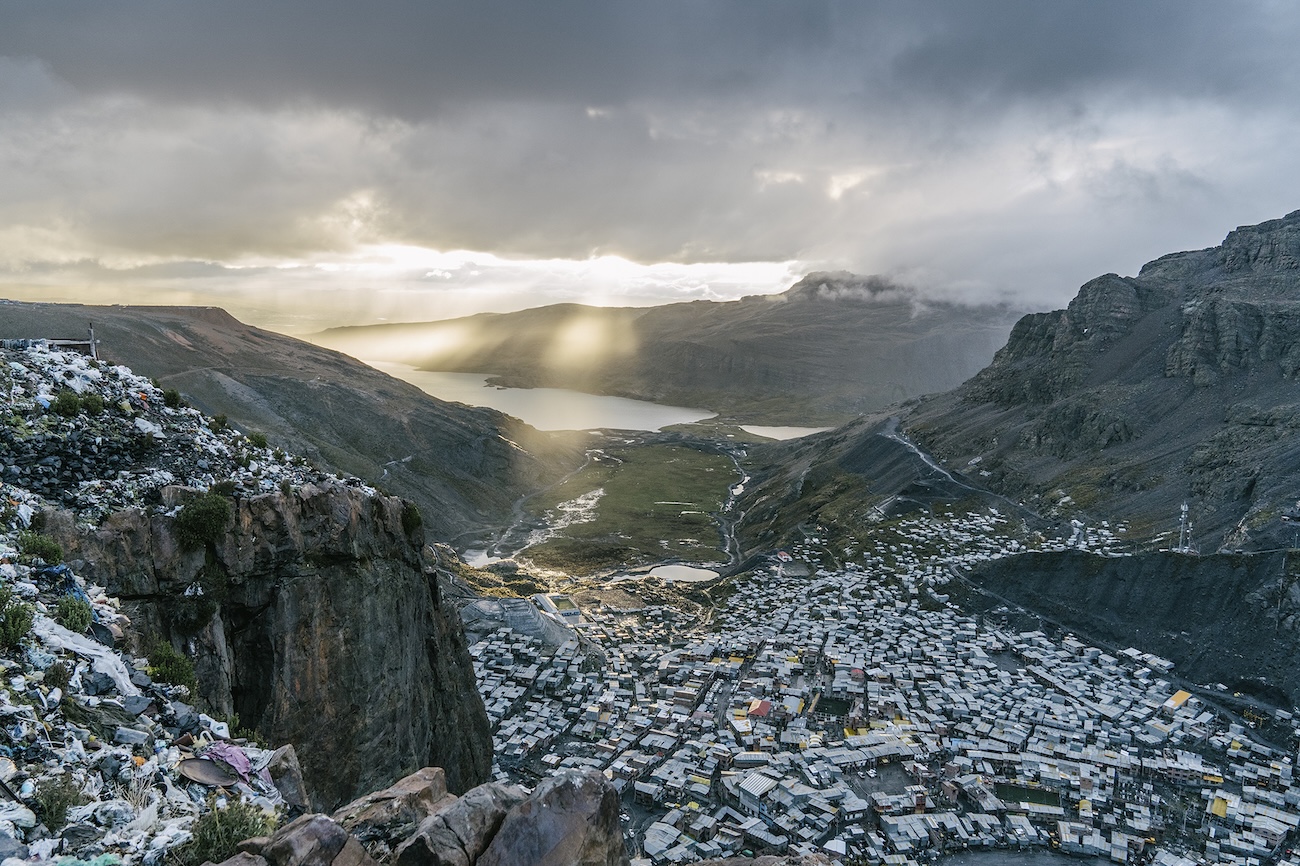
A Bolivian mountain financed the Spanish Empire for 250 years. It also killed eight million miners. The city on its side is poorer now than it was in 1650.
The Inca Empire did not fall on a battlefield. It fell in a single Andean plaza, in two hours, to 168 men. The ransom room still stands empty.
No razors in the caps. No criminal empire. The real Peaky Blinders were teenage thugs from Birmingham's worst slum — and the truth is darker than the show.
For 400 years, the Admiralty hanged pirates at the Thames waterline and left their tarred bodies in iron cages for every ship to see. The site has no memorial.
For a century, Cosa Nostra ruled Palermo through extortion, heroin, and political corruption. Then two judges built a case they knew would kill them.
Canada built a model city in the subarctic to mine uranium for the Cold War. On December 3, 1981, a man in a corporate jet told 5,000 people it was over.
15,000 people lived on a 40-degree cliff with no streets and no cars. Chile emptied Sewell in the 1970s and nearly demolished it. Now it's a UNESCO World Heritage Site.
A single street in South Los Angeles produced the largest Crip gang in the city, a war that split every gang in LA in two, and a rapper who tried to undo all of it.
A residential block in Compton with no plaque, no monument — and a 1972 meeting that created one of America's largest street gang networks. Why here?
A bombed mansion, $100 million hidden in the walls, and a butler who lived in the ruins for 30 years. The full story of Escobar's forgotten lake house.