

The Opening: Understanding the Violence of the Juárez Plaza
How Cartels Use Narcobloqueos to Control the Border
The street is blocked by a line of transit buses, their engines still idling but their drivers gone. In the center of the intersection, a passenger vehicle has been flipped onto its side and ignited. This is a narcobloqueo. It is a tactical maneuver used by the cartels to paralyze the city’s response time. When a high-ranking lieutenant is being moved or a rival is being executed, the cartel uses these blockades to create a vacuum of authority. By the time the fire department and the municipal police can navigate the gridlock, the target is dead and the gunmen have vanished into the labyrinth of the colonias. These blockades demonstrate that the government does not own the pavement in Juárez; the cartels do. The smoke from the burning tires acts as a signal to the entire city that the rules of civil society have been suspended for the next hour. Residents know the drill: they turn their cars around, they close their storefronts, and they wait for the silence to return.
Strategic Value: Why Juárez is the Key to North American Drug Trafficking
To understand Juárez, you must understand the concept of the plaza. In the world of international narcotics, a plaza is a geographical transit point of supreme strategic value. Juárez is the crown jewel of plazas because it sits directly across from El Paso, Texas, providing immediate access to the Interstate 10 highway, which stretches from the Pacific to the Atlantic. For a cartel, controlling Juárez means controlling the toll booth for billions of dollars in cocaine, heroin, and methamphetamine. The Rio Grande, which separates the two cities, is often nothing more than a shallow, concrete-lined trickle, making it one of the most porous points on the 2,000-mile border. This proximity to the world’s largest consumer market for drugs is the city’s primary economic engine and its greatest curse. The violence is not random; it is a corporate war over the right to use these specific bridges and tunnels to move product into the American interior.
The Origins: The Economic and Criminal Evolution of the Mexican Border
Prohibition History: The Roots of Smuggling in the Rio Grande
The criminal DNA of Ciudad Juárez was mapped out long before the first gram of cocaine arrived. During the 1920s, the United States enacted Prohibition, making the manufacture and sale of alcohol illegal. This created an overnight vacuum that Juárez was perfectly positioned to fill. Distilleries and breweries flourished on the Mexican side of the river, while sophisticated smuggling rings were formed to move whiskey across the border into El Paso. These early bootleggers developed the bribery networks, the hidden compartments, and the scouting systems that would eventually be inherited by the drug cartels sixty years later. The city’s economy became addicted to American vice, and its political structure became intertwined with the profits of illegal transit. When Prohibition ended, the infrastructure did not disappear; it simply waited for the next prohibited commodity to arrive.
The Juárez Cartel: How the Lord of the Skies Revolutionized Smuggling
In the 1990s, the Juárez Cartel was revolutionized by a man named Amado Carrillo Fuentes. He was the first trafficker to transition from a bandit to a logistics mogul. He earned the nickname The Lord of the Skies because he utilized a fleet of Boeing 727s and Caravelle jets to move Colombian cocaine into Mexico. He stripped the passenger seats from these aircraft to make room for multi-ton loads, flying them into clandestine desert airstrips protected by the federal police. Following the internal collapse of the old Guadalajara Cartel federation, the Juárez organization rose to become a professionalized, corporate entity with a clear hierarchy and a massive intelligence wing, eventually forging a dominant path alongside its counterparts in Tijuana. He understood that the real power lay not in the drugs themselves, but in the control of the logistics chain. His death in 1997 during a botched plastic surgery operation created a power vacuum that would eventually lead to the total destabilization of the border.
NAFTA and the Maquiladora Industry: The Socioeconomic Impact on Juárez
The 1994 North American Free Trade Agreement changed the physical and social landscape of Juárez forever. The treaty allowed for the rapid expansion of maquiladoras—American-owned factories that imported raw materials, assembled products with cheap Mexican labor, and exported the finished goods back to the U.S. tax-free. This triggered a massive migration of workers from the impoverished states of southern Mexico to Juárez. The city was not prepared for this influx. Sprawling shantytowns like Anapra and Lomas de Poleo appeared overnight on the dusty outskirts of the city. These neighborhoods were built without paved roads, electricity, or police presence. The workers, many of them young women, lived in a state of extreme vulnerability. The factory system created a population of "disposable" people—workers who were essential to the global economy but invisible to the local government. This lack of social infrastructure provided the perfect environment for the cartels to recruit soldiers and for killers to operate with total anonymity.
The Mexican Drug War: The Conflict Between Sinaloa and Juárez (2008–2012)
El Chapo vs. The Juárez Cartel: The Battle for Territory
The peace in Juárez was shattered in 2008 when Joaquin "El Chapo" Guzman, leader of the Sinaloa Cartel, decided to take over the city. For years, the Juárez Cartel, then led by Vicente Carrillo Fuentes, had allowed Sinaloa to move drugs through the plaza for a fee. Guzman decided he no longer wanted to pay the tax; he wanted the city. He sent a vanguard of gunmen and top lieutenants into the city with orders to execute anyone loyal to the local cartel. This was not a subtle takeover. It was a full-scale invasion. The Sinaloa Cartel utilized superior funding and military-grade weaponry to overwhelm the local forces. Every street corner became a potential battlefield. The Juárez Cartel responded with equal brutality, forming their own armed wings to defend their territory. The result was a city where the murder rate climbed every single month, eventually surpassing any other conflict zone in the world, including Baghdad and Kabul at the time.
Los Aztecas and Artistas Asesinos: The Role of Gangs in Cartel Warfare
As the war between Sinaloa and Juárez intensified, the cartels began to outsource their violence to local street gangs. This was a strategic move to preserve their elite gunmen while flooding the streets with "expendable" soldiers. The Juárez Cartel utilized Los Aztecas, a highly structured gang that originated in the Texas prison system. Los Aztecas were disciplined, heavily armed, and deeply integrated into the city’s neighborhoods. In response, the Sinaloa Cartel recruited the Artistas Asesinos and Los Mexicles. These gangs were composed of young men from the maquiladora shantytowns, many of whom were barely out of their teens. They were paid pittance wages to carry out hits, serve as lookouts, and perform kidnappings. This turned the drug war into a fratricidal conflict, where neighbors were killing neighbors for the benefit of cartel bosses living in fortified mansions in other states. The gangs were given "licenses" to commit other crimes, such as extortion and carjacking, as long as they fought the cartel's enemies.
Militarization and Human Rights: The Consequences of Operation Chihuahua
In an attempt to stop the bloodshed, President Felipe Calderon launched Operation Chihuahua in 2008, deploying thousands of Mexican Army soldiers and Federal Police to Juárez. It was a catastrophic failure. The arrival of the military did not lower the murder rate; it accelerated it. The soldiers were not trained for urban law enforcement, and their presence added a third faction to the war. Corruption within the military meant that different units were often working for different cartels, leading to "green-on-green" violence. Furthermore, the military began committing widespread human rights abuses, including torture, disappearances, and extrajudicial killings of civilians. The population found itself trapped between the cartels, the gangs, and a predatory military force. The state’s intervention effectively destroyed what was left of the rule of law in Juárez, turning the city into a free-fire zone where no one was accountable to anyone.
The Reality of Violence: Femicide and Extortion in Juárez
The Juárez Femicide Crisis: Case Study of the Cotton Field
Juárez became internationally notorious as the Femicide Capital of the world. Starting in the early 1990s and continuing through the drug war, hundreds of young women vanished. Most were maquiladora workers who disappeared during their commute. Their bodies were later found in the desert, showing signs of extreme sexual violence and torture. The "Cotton Field" case, where eight bodies were found in a single lot in 2001, became the symbol of this crisis. The reality of femicide in Juárez is not just about the killers; it is about the state. The police routinely blamed the victims, suggesting they lived "double lives" or wore provocative clothing. Forensic evidence was lost, files were tampered with, and suspects were tortured into false confessions. This systemic indifference allowed killers to operate with a 98 percent impunity rate. The mothers of the disappeared became the city’s only conscience, painting pink crosses on black backgrounds on light poles across the city to mark the places where women were stolen.
Cobro de Piso: How Extortion Rackets Decimated the Local Economy
While the murders made the headlines, the "Cobro de Piso," or extortion, destroyed the city’s soul. The cartels realized they could make as much money from the local population as they could from drugs. They began demanding monthly payments from every business in the city. Doctors, mechanics, taco stand owners, and schoolteachers were all targeted. If you did not pay the "rent," your business was burned or you were murdered. This led to a mass exodus of the middle class. Thousands of businesses closed their doors forever. The streets of the city center, once vibrant with nightlife, became rows of boarded-up windows and "For Sale" signs. The social contract was completely severed; people stopped trusting their neighbors, stopped going out at night, and lived in a state of permanent hyper-vigilance. The economic devastation caused by extortion will take generations to repair.
Forensic Challenges and Mass Graves in the Chihuahuan Desert
The scale of the killing in Juárez overwhelmed the city’s physical ability to process the dead. The state morgue was designed to handle a few hundred bodies a year, not several thousand. During the peak of the violence, the morgue ran out of refrigerated space, and the smell of decay hung over the surrounding neighborhoods. Refrigerated trailers were parked in the lot to handle the overflow. Many victims were never identified and were buried in common graves marked only by numbers. For the families of the missing, this created a specialized form of torture. Without a body, they could not mourn. Independent forensic teams, often made up of volunteers and international experts, have spent years trying to identify remains found in mass graves in the Chihuahuan desert. The soil around Juárez is quite literally a ledger of the city’s history, containing the bones of the disappeared, the executed, and the forgotten.
The Legacy: The Fentanyl Trade and the Modern Migrant Crisis
Synthetic Narcotics: The Impact of Fentanyl on Border Security
The drug trade in Juárez has undergone a fundamental shift from plant-based narcotics to synthetic chemicals. As the demand for marijuana plummeted due to legalization in parts of the U.S., the cartels pivoted to fentanyl. This change has made the border even more dangerous. Fentanyl is easier to hide, cheaper to produce, and far more lethal. Small labs have proliferated throughout the city's residential areas, turning quiet neighborhoods into high-risk zones for chemical explosions and targeted raids. The "old school" cartel families have been replaced or sidelined by smaller, more fragmented groups that lack the discipline of the previous era. These new cells are more prone to erratic violence and are less concerned with maintaining public order. The fentanyl era has turned the smuggling business into a high-speed, high-lethality game of cat and mouse with U.S. Border Patrol.
The Border Bottleneck: Human Trafficking and the Migrant Crisis
Juárez is currently facing a humanitarian crisis that is being exploited by the criminal underworld. Thousands of migrants from all over the world travel to Juárez with the hope of crossing into the United States. Changes in U.S. border policy have turned the city into a giant waiting room. These migrants, often living in crowded shelters or on the streets, are prime targets for the cartels. They are kidnapped for ransom, forced into drug mule work, or sold into human trafficking rings. The cartels now view "human cargo" as a revenue stream that is just as profitable as narcotics. The presence of thousands of desperate people has put an enormous strain on the city’s already fragile social services, creating a new layer of tension in a community that is already exhausted by decades of violence.
Juarenses Resilience: Reclaiming the City Through Culture and Art
Despite everything, Ciudad Juárez is not a ghost town. It remains one of the most productive industrial cities in the world. There is a specific kind of resilience among the Juarenses—a refusal to let the violence be the final word on their home. In recent years, there has been a push to reclaim the city through art, activism, and civic engagement. New murals cover the walls where narco-messages once hung. The university system remains a vibrant hub of thought and resistance. However, this resilience is tempered by a cold realism. The people of Juárez know that the peace they currently enjoy is fragile and depends largely on the internal politics of the cartels and the shifting policies of the United States. They live with the understanding that the border is a living organism that can turn violent at any moment.
Visiting the El Paso–Juárez Border
Crossing the Paso del Norte: A Guide to the Santa Fe Bridge
The Santa Fe International Bridge is the primary umbilical cord between El Paso and Juárez. To cross it on foot is to experience the border in its most literal form. The bridge is a massive concrete structure that spans the Rio Grande. As you walk toward the Mexican side, you are surrounded by the hum of idling cars and the calls of vendors selling water and snacks to those stuck in the multi-hour wait. The border is not a line; it is a bureaucracy. You pass through turnstiles, show your passport to stone-faced agents, and step out into the chaos of Avenida Juárez. The transition is instantaneous. You leave the quiet, paved streets of El Paso and enter a world of noise, dust, and frantic energy. For tens of thousands of people, this bridge is a daily commute—a reminder that their lives are split between two nations with vastly different rules.
Border Tourism Ethics: How to Witness Tragedy Responsibly
Visiting a site of tragedy like Juárez requires a specific ethical framework. This is not a place for conflict tourism or "disaster selfies." To stand at a site where femicides occurred or where a cartel massacre took place is to stand on hallowed ground. An ethical observer does not focus on the gore or the sensationalism; they focus on the survivors and the systems that allowed the tragedy to happen. It is important to support the local economy—eat at the restaurants, visit the local markets, and speak with the people who have lived through the worst of the violence. Witnessing Juárez means acknowledging the human cost of the products and policies that the First World takes for granted. It is an exercise in empathy and an admission that the border is a shared responsibility.
The Border Paradox: The Physical and Psychological Divide
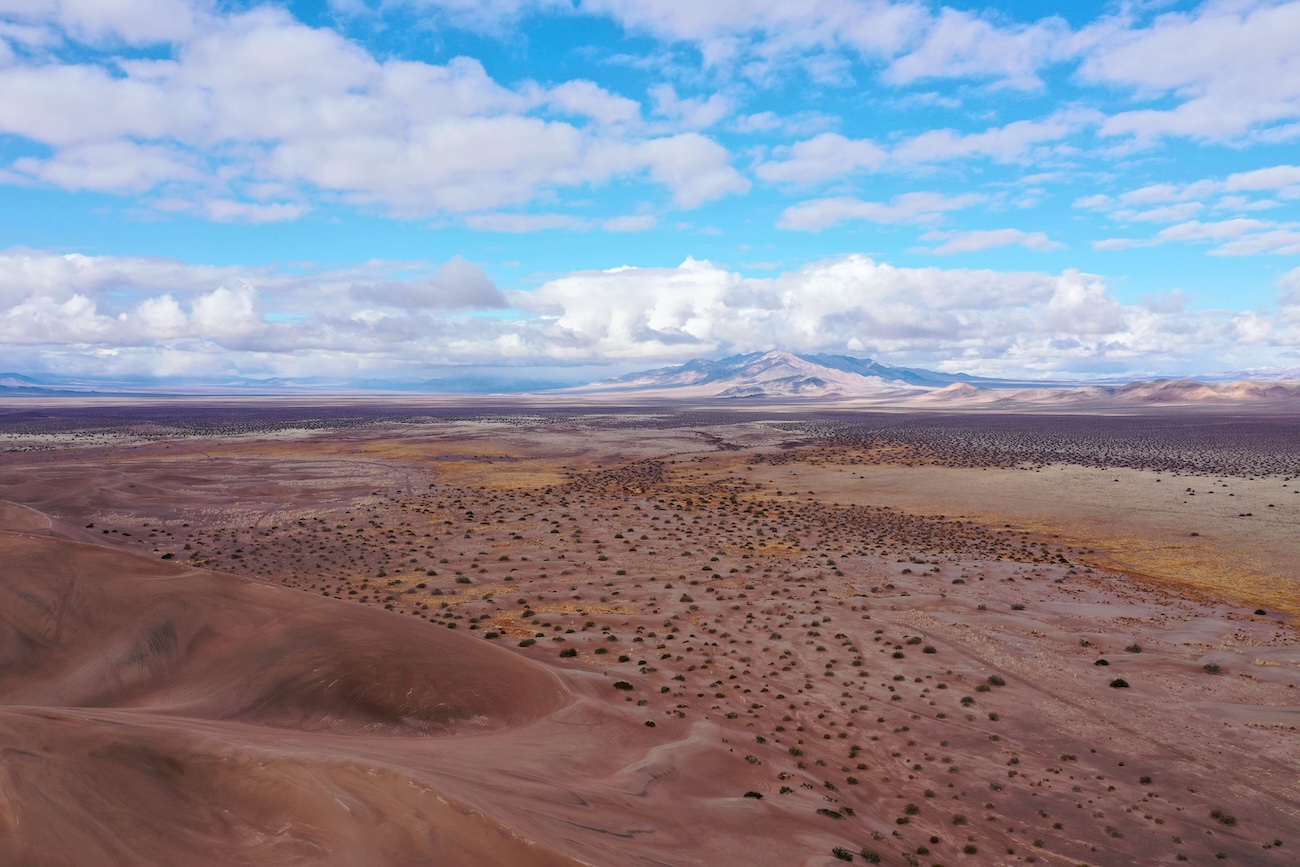
Standing on the Mexican side of the river, looking across at the United States, evokes a strange sense of hollow silence. The Rio Grande is often just a dry bed or a shallow stream, yet it represents a chasm that is wider than any ocean. On the other side, you can see the gleaming skyscrapers of El Paso and the high-tech surveillance towers of the Border Patrol. The proximity is a form of psychological pressure. You are close enough to see the people on the other side, to hear the sirens, and to see the lights of a world that is supposedly "safe." For those in Juárez, the river is a mirror that reflects everything they have lost and everything they are fighting for. The emotional weight of the border is found in this gap—the space between the reality of the desert and the promise of the American dream.
Frequently Asked Questions about Ciudad Juárez
Is it safe for tourists to visit Ciudad Juárez today?
Safety in Juárez is relative and depends heavily on your location and behavior. While the extreme violence of the 2008–2012 era has subsided, the city still experiences high rates of homicide related to the drug trade. The main commercial districts and the area near the international bridges are generally safe during daylight hours, but visitors should avoid the periphery colonias and traveling at night. Standard precautions for high-risk urban environments apply: do not display wealth, use authorized transportation, and stay informed on current local events.
What is a maquiladora and why are they important to the city?
A maquiladora is a manufacturing plant in Mexico, usually owned by a foreign company, that imports raw materials duty-free to assemble or manufacture products for export. Juárez has one of the highest concentrations of these factories in the world due to its proximity to the U.S. market. They are the backbone of the local economy, providing hundreds of thousands of jobs, but they have also been criticized for low wages and for creating the rapid, unplanned urban growth that contributed to the city's social instability.
Why was Juárez called the Femicide Capital?
The term gained global prominence in the 1990s as hundreds of women—mostly young factory workers—disappeared and were later found murdered. The "capital" designation refers not just to the number of killings, but to the systemic failure of the Mexican legal system to investigate them. This culture of impunity, where killers faced no consequences, turned the city into a symbol of gender-based violence and sparked a global human rights movement to protect women’s rights.
How did the Sinaloa Cartel change the city?
The Sinaloa Cartel’s invasion in 2008 broke the long-standing "pax mafiosa" that had kept violence manageable. By attempting to seize the transit routes from the Juárez Cartel, Joaquín "El Chapo" Guzmán turned the city into a combat zone. This conflict forced local gangs to choose sides, leading to a breakdown in social order and the rise of secondary crimes like kidnapping and extortion as these gangs looked for ways to fund their war efforts.
Sources & Citations
- Murder City: Ciudad Juárez and the Global Economy's New Killing Fields - Charles Bowden (2010)
- The Dope: The Real History of the Mexican Drug Trade - Benjamin T. Smith (2021)
- The 2001 "Cotton Field" Case: Gonzalez et al. v. Mexico - Inter-American Court of Human Rights (2009)
- Drug War Capitalism - Dawn Paley (2014)
- Council on Foreign Relations: Mexico's Long War - CFR Research (2023)
- El Paso Matters: Juárez Violence and Border Dynamics - Local Investigative Reporting (Ongoing)
- The Lord of the Skies: The Rise and Fall of Amado Carrillo Fuentes - InSight Crime (2020)
- Fentanyl and the Evolution of the Border Trade - DEA Strategic Intelligence Section (2024)



%2C%20Konjic%2C%20Bosnia.jpg)


