Clara writes about ancient myths, sacred places, and ruins shaped by belief and legend. Her work explores how stories, rituals, and forgotten civilizations still echo through real places today.

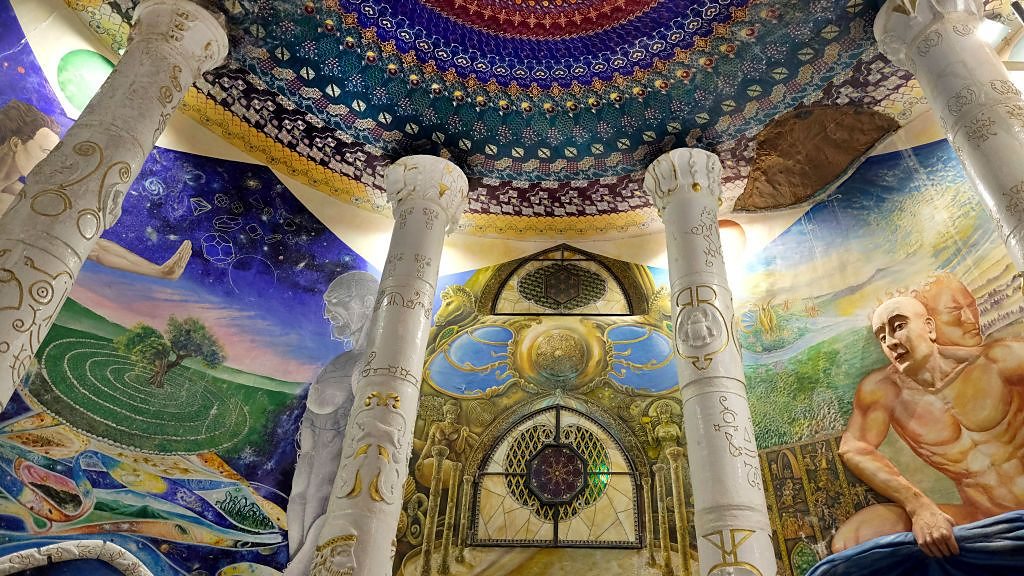
For 16 years, hundreds of followers secretly carved a cathedral into an Italian mountain — murals, gold leaf, stained glass — while no one outside knew it existed. Then someone talked.
A king who murdered his father built a palace on a 200-meter rock in the Sri Lankan jungle. 1,500 years later, his fountains still work. His throne is dust.
A handful of holy soil from Jerusalem turned a Czech cemetery into the most desired burial ground in Europe. When 40,000 skeletons outgrew the earth, a woodcarver turned them into art.
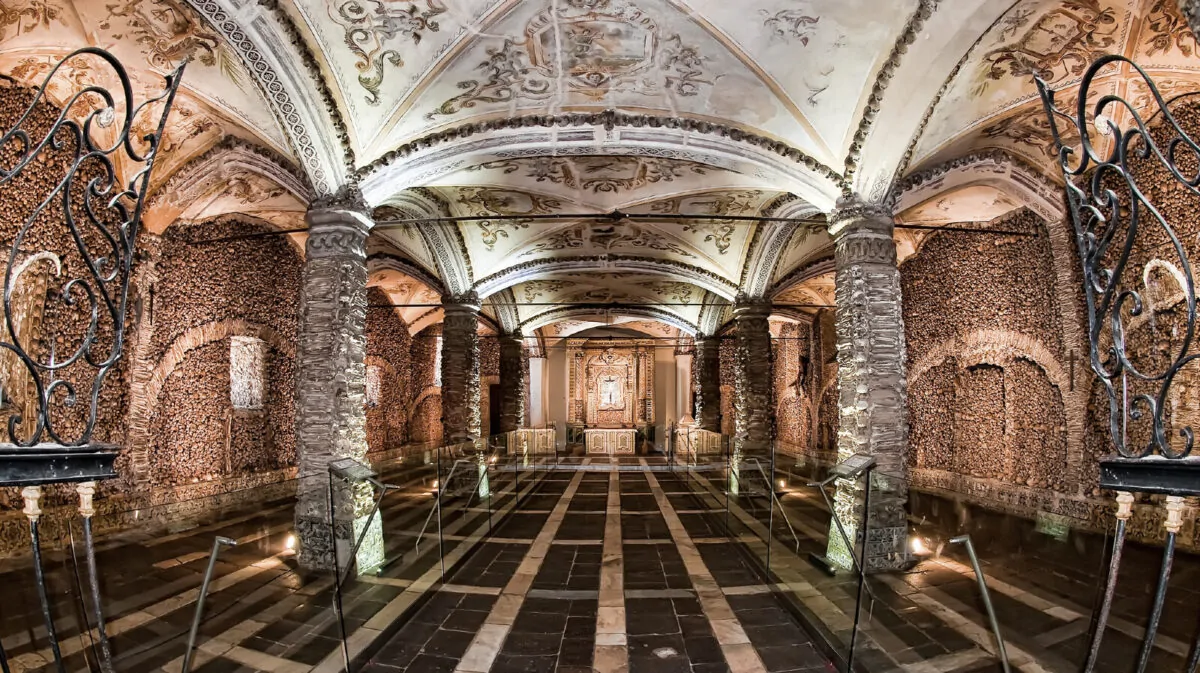
Three Franciscan monks exhumed 5,000 skeletons from Évora's cemeteries and mortared them into the walls of a chapel. The door inscription still waits.
A monk guards the Ark of the Covenant alone. The empire that built this chapel once rivaled Rome — then the West forgot it existed. This is the story of Aksum.
When Ethiopia lost Jerusalem, it carved a replacement into basalt. Eight centuries on, Lalibela's churches are still prayed in daily. But the rock is cracking.
Ur was one of the world's first cities. Its royal tombs held mass sacrifices and gold. Its ziggurat still stands. What happened to the cradle of civilization?
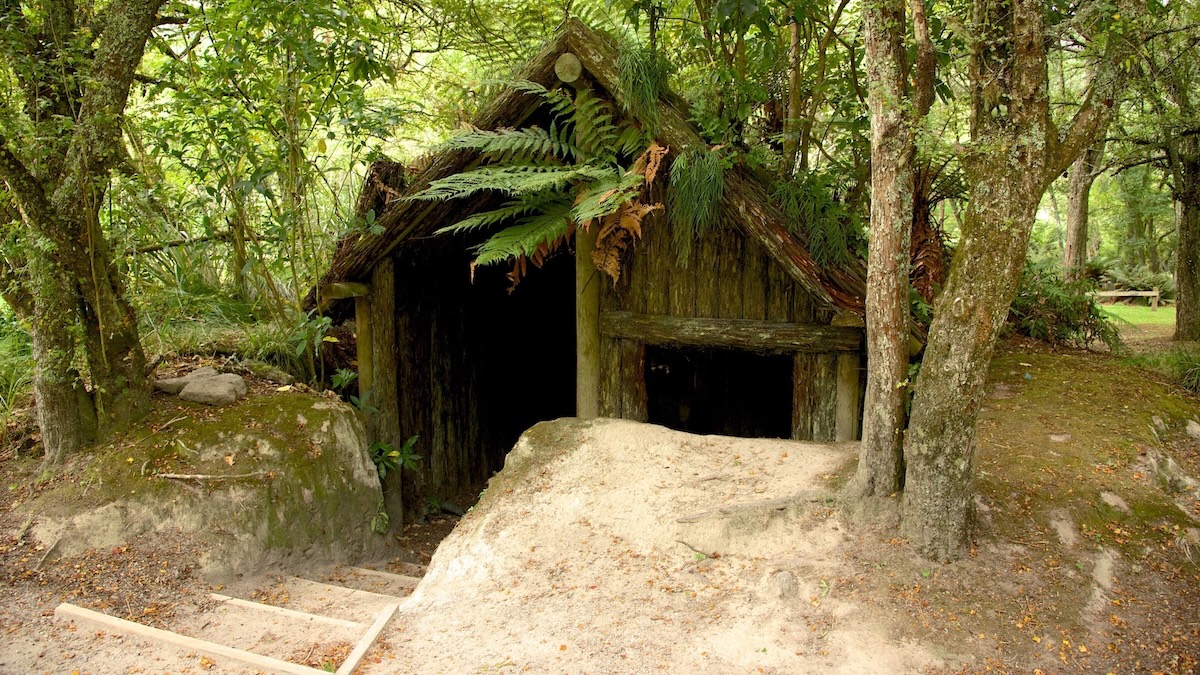
A ghost war canoe appeared on the lake. Old priest said it meant death, but nobody listened. Eleven days later, Mount Tarawera buried his village alive.
900 mudbrick houses abandoned in the 1980s — built on 3,000 years of forgotten kingdoms. Now Saudi Arabia is spending billions to rebuild what it emptied.
In 1940, bones, a woman's shoe, and a sextant box were found on a remote Pacific atoll 560 km from where Earhart vanished. Eighty-eight years later, the question still isn't settled.
In 1937, the US built an airstrip on a tiny Pacific coral island for one purpose: Amelia Earhart's landing. She never arrived.
In 1968, a military technician risked his career to photograph a UFO over Hoia Baciu. The forest's twisted trees and dead clearing remain unexplained.