Edward writes about cities and the layers beneath them — abandoned buildings, forgotten districts, old infrastructure, and overlooked histories. His work reveals how places change, decay, and remember.
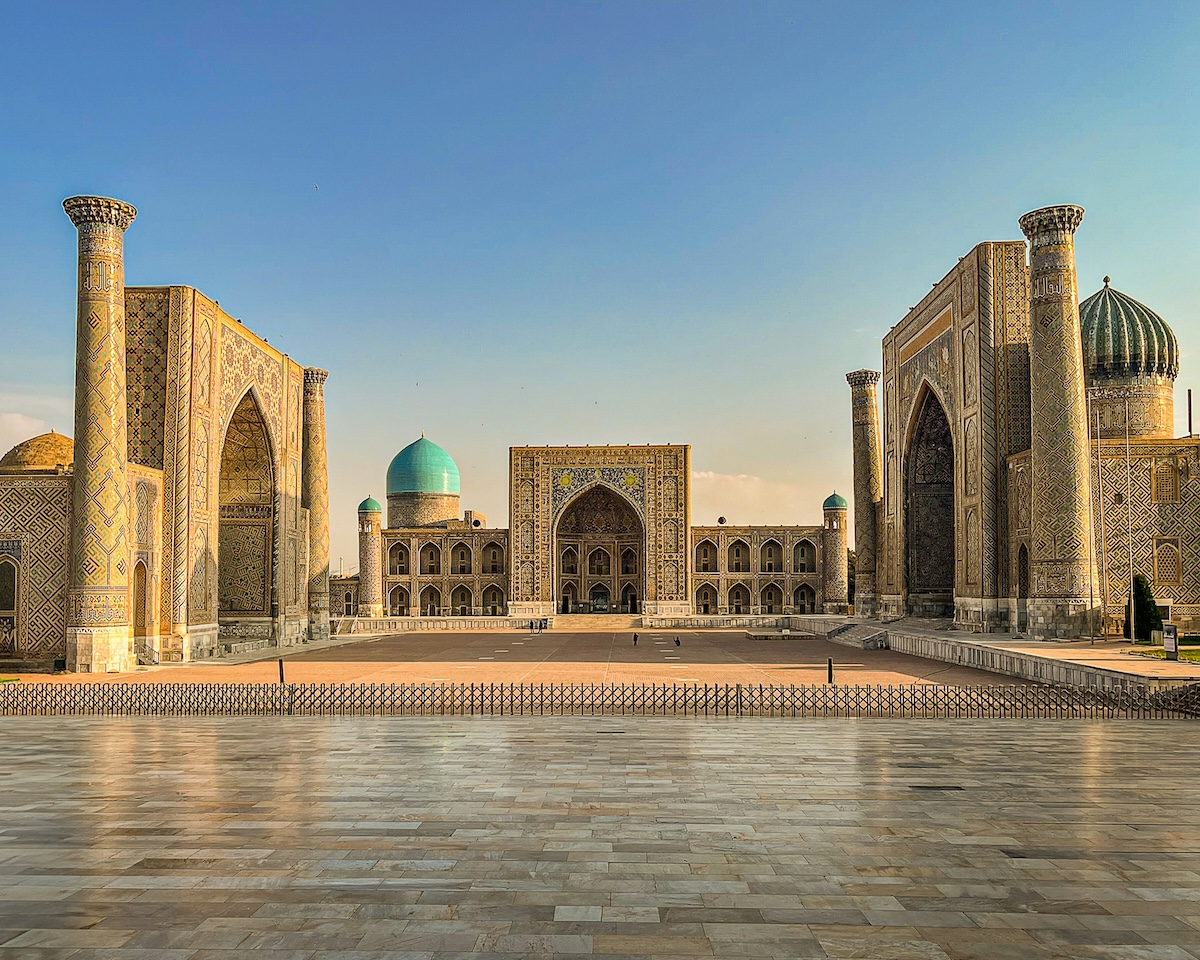
Tamerlane killed 17 million people and built the most beautiful city in the medieval world with the spoils. His tomb was opened three days before Barbarossa.
The British built Jos for tin. When the mines collapsed, the city split along a religious fault line — and thousands died in the violence that followed.
A British company mined Obuasi's gold for a century. When the mine closed, thousands of illegal miners moved in — and soldiers started shooting.
Captain Cook sailed into Kealakekua Bay and was welcomed as a god. Four weeks later, Hawaiians killed him on the same shore. What went wrong?
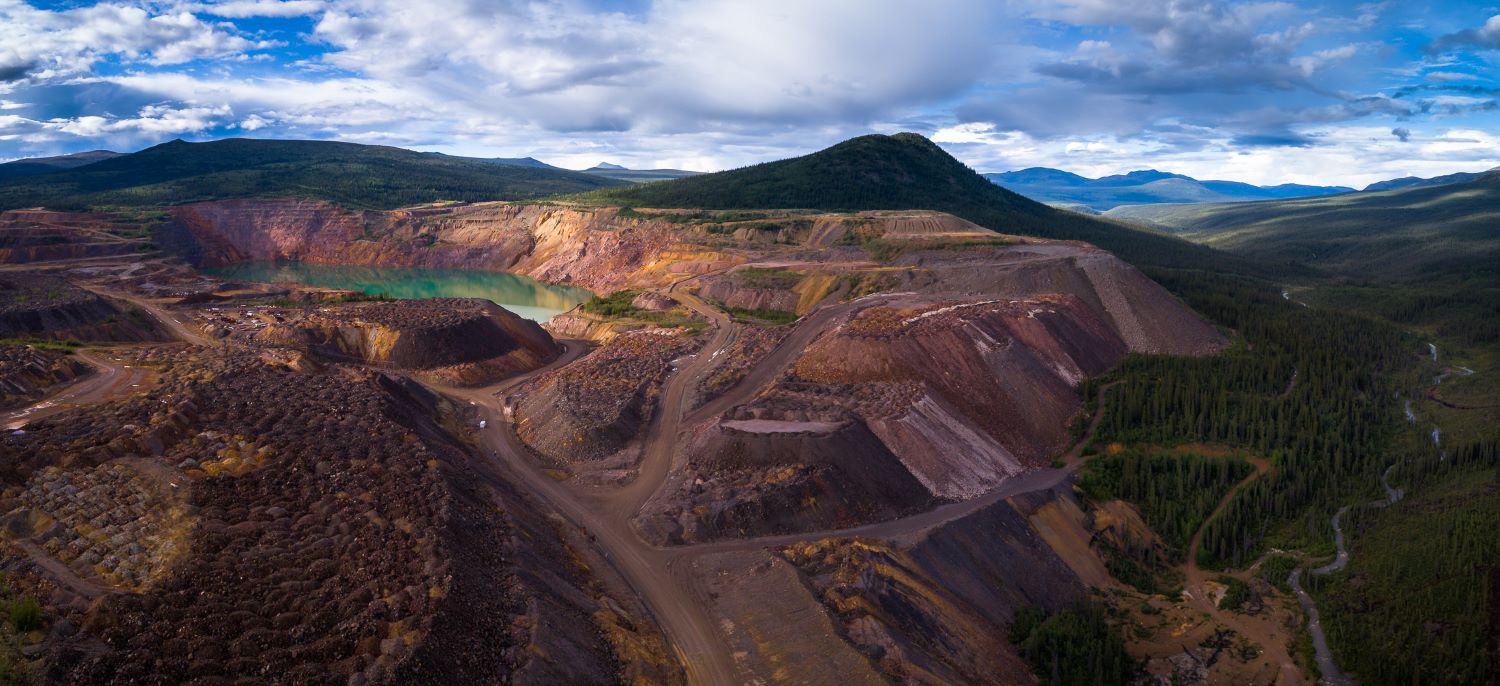
Faro, Yukon was once home to the world's largest lead-zinc mine. Three owners went bankrupt, and the cleanup bill hit $5 billion. Who's still living there?
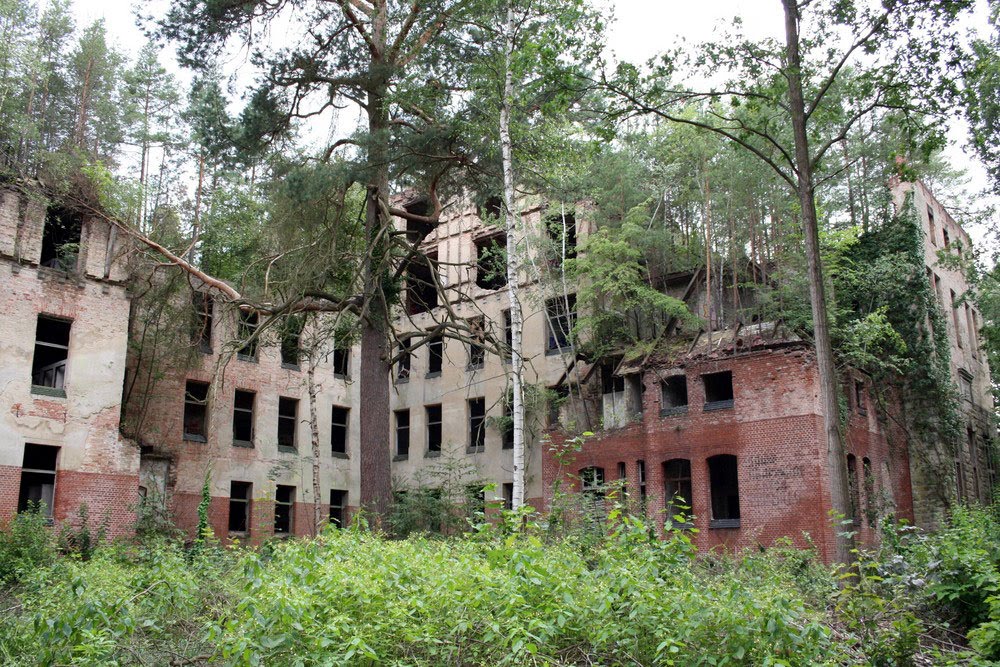
The German sanatorium that healed Hitler in 1916, hid Honecker in 1991, and held a closed Soviet city in the pines for 50 years — still standing in the forest.
The $6 billion underground airbase built to survive a nuclear strike — destroyed in three days by the army that spent 35 years defending it.
Britain built armed forts in the Thames in 1942 and never took them down. They became pirate radio stations, a micronation, and the strangest ruins at sea.
From Jack the Ripper's hunting ground to the Kray twins' reign of terror, London's East End built Britain's criminal underworld in streets the state abandoned.
Since 1972, Alcor has frozen 248 legally dead people in a Scottsdale office park — betting that future science will bring them back to life.
39,000 people fled Varosha in August 1974, expecting to return within days. Fifty years later, their hotels still stand behind barbed wire — and no one has gone home.
A fishing village 64 km from Shanghai held 2,000 people in the 1980s. By 2002 it was empty. Then the vines arrived, and sealed every window, roof, and door shut.