The Fire That Launched a Town Twice
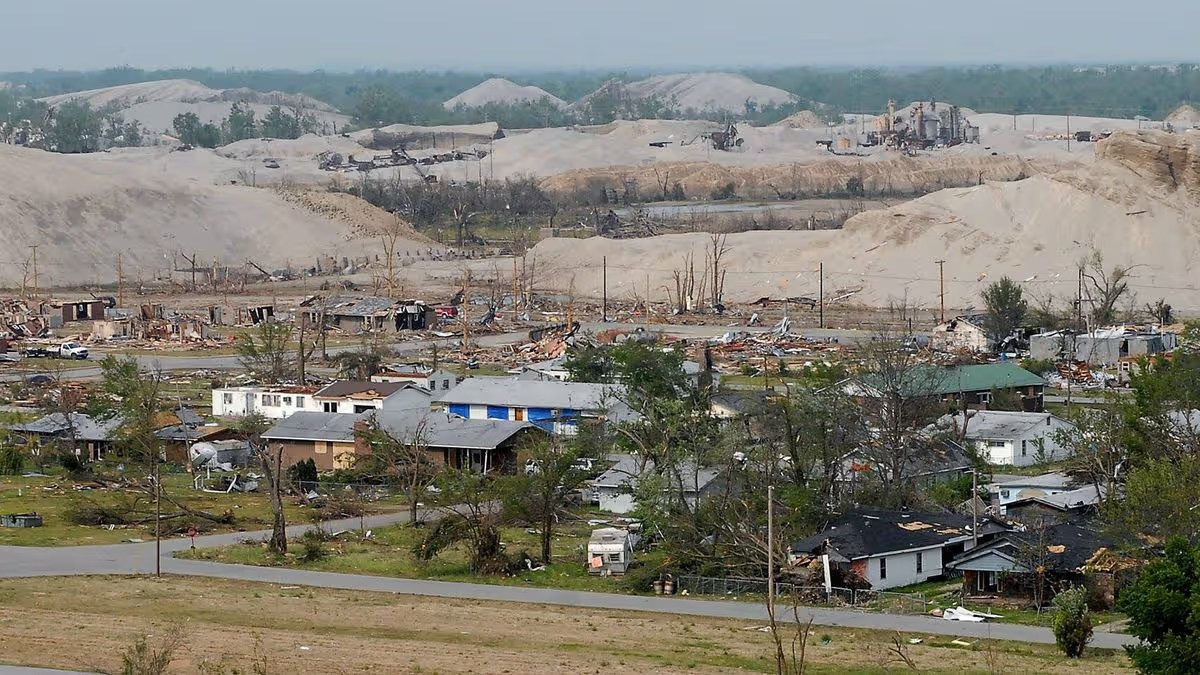
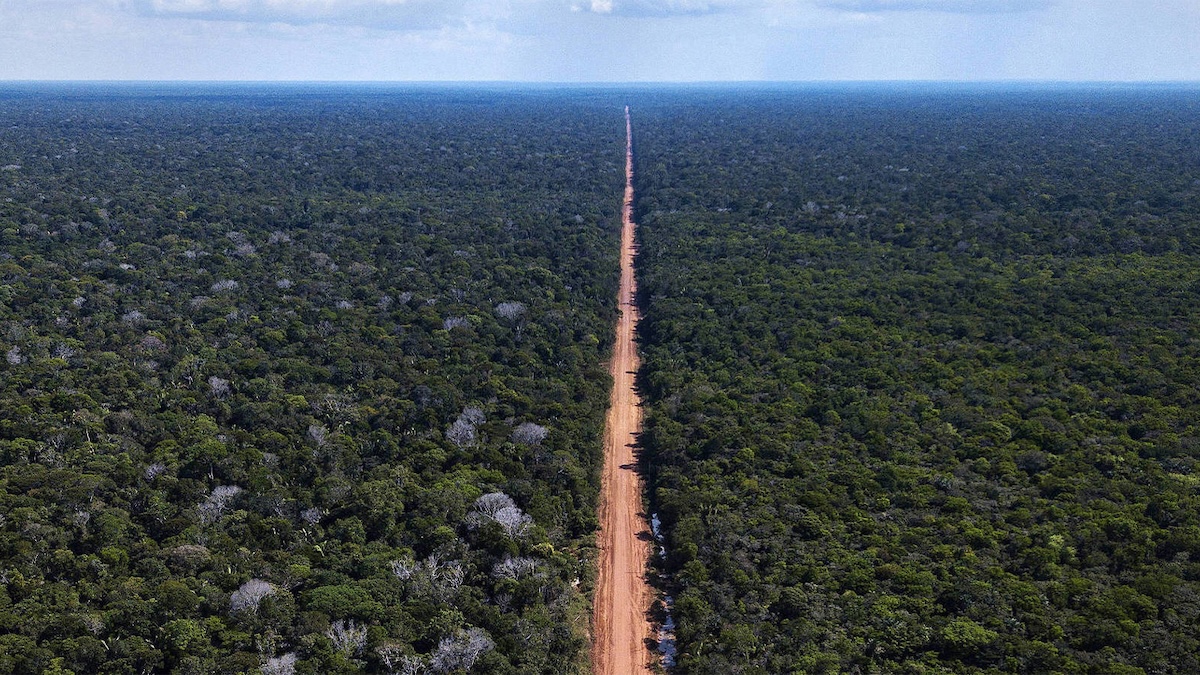
Friday the 13th of June, 1969. The houses smelled like fresh lumber. Paint cans sat on porches, some lids still pried open. The town of Faro — named for a nineteenth-century card game in which players bet on the order of the draw — had been under construction for barely a year, and some units were already ready for occupancy. Families were arriving. A school was planned. A highway had been bulldozed through 200 kilometres of boreal forest to connect this place to the rest of the Yukon. Then lightning struck a mountainside above the Pelly River valley, and within hours a wildfire tore through the freshly built townsite, reducing nearly every structure to ash. Two houses and two maisonettes on Ogilvie Crescent survived. Everything else was gone.
Cyprus Anvil Mining Corporation did not hesitate. The company cleared the debris and rebuilt the town from scratch before autumn. By September, families were moving in again. The speed of that reconstruction tells you everything about the logic that created Faro: the ore came first, and the town existed only to serve it. If the town burned, you rebuilt it. If it emptied, you refilled it. And if the ore ran out — well, nobody planned that far ahead.
Faro is a study in extraction economics — the principle that you can punch a community into existence wherever profit demands it and abandon it when the commodity price drops. The town was built on a gamble, named for a gamble, and governed by the same merciless arithmetic that governs all gambles: eventually, the house wins. Three mining companies tried their hand at Faro’s deposits over three decades. All three went bankrupt. The town they left behind became one of Canada’s most contaminated sites. The people they left behind are still there.
How the Yukon’s Largest Lead-Zinc Deposit Built a Town from Nothing
Al Kulan, Seven Kaska Prospectors, and the Discovery at Vangorda Creek
The deposits that would create Faro were found the old-fashioned way — on foot, in the bush, following a hunch. A Kaska Dena hunter named Jack Sterriah first noticed unusual rock formations while hunting near Vangorda Creek sometime in the late 1940s. The area held no mystery for the Ross River Dena, who had lived on and around this land for generations. They called the mountain Tsē Zūl — “hollow rock” — and elder Arthur John later described it simply: everything the Dena ate was on that mountain. Moose, sheep, caribou, ptarmigan. At least eight extended families maintained permanent camps in the area, connected by a network of trails and scattered with sacred sites. Twenty-six archaeological sites have since been documented across the zone, evidence of centuries of continuous habitation.
Al Kulan, born in Toronto in 1921, arrived in the Yukon after the Second World War with a tank corps discharge and a promise to himself that he would never work for another man again. In July 1953, guided by a Kaska trapper named Joe Ladue, Kulan found heavy concentrations of rust near Vangorda Creek — the telltale signature of lead-zinc mineralization. He and seven Kaska prospectors staked the claims. By 1960, Kulan and geologist Dr. Aaro Aho had formed Dynasty Explorations to work the deposits. What they found was not a modest vein. It was a world-class ore body — one of the richest lead-zinc-silver deposits ever discovered in North America.
By 1965, a hundred men were working the area, and Dynasty had built an airstrip on the claim site. The scale of the deposit demanded capital that Dynasty could not raise alone, so the company merged with Cypress Mining of Los Angeles to form the Cyprus Anvil Mining Corporation. A new highway — initially numbered Highway 9, now part of the Robert Campbell Highway — was carved from Carmacks to Ross River to serve the mine. The Yukon’s interior, one of the most remote inhabited landscapes on the continent, was about to be industrialized.
The three Kaska men who had helped stake the original claims received no recognition and no benefits from the mine that would reshape their territory.
Life Inside a Prefabricated Community at the Edge of the Wild
The town that rose from the ashes of the 1969 fire was not a rough mining camp. Cyprus Anvil intended Faro to be an open municipality, capable of housing up to 3,000 people — families, not just labourers. The company built bunkhouses, duplexes, single-family homes, and maisonettes, tiered up the hillside in a hierarchy that mirrored the corporate org chart: executives on the upper bank, workers on the lower bench. A recreation centre went up. A curling rink. A school. In 1971, the company shipped an entire theatre building from Cobalt, Ontario — 4,000 kilometres east — and reassembled it in Faro to provide entertainment in a town that had no television reception and sat 356 kilometres from the nearest city.
Katy Peeling arrived in 1974 with her husband in a Chevy pickup, a homemade camper bolted to the bed. They left after a year because there was not enough housing. Friends encouraged them to reapply for mine work, and they came back. Peeling has now lived in Faro for over fifty years — through every boom, every bust, and every reinvention. She calls it a “serial community,” a place that dies and reforms with a different personality each time but never quite disappears.
The population in 1970 was roughly 800. By 1981, it had swelled to nearly 2,000, and Cyprus Anvil was scrambling to build more housing. A second trailer court was established to absorb the overflow. The mine was producing lead and zinc at a pace that made it the largest such operation in Canada, and its payroll rippled across the entire territory. Cyprus Anvil was the Yukon’s largest private-sector employer. Its output accounted for more than a third of territorial GDP. The highway built to serve the mine opened the south Klondike route year-round. The electrical demand prompted construction of the Aishihik hydro dam, which left the Yukon with excess hydro capacity for decades. Faro was not just a town — it was an economic engine that had restructured the infrastructure of an entire territory around a single hole in the ground.
Ore concentrate was trucked by highway to Whitehorse, where buckets were lifted from the trucks and lowered onto railcars of the White Pass and Yukon Route. The trains carried them 170 kilometres to Skagway, Alaska, where the contents were poured into the holds of ships. The supply chain was as long and fragile as the community it sustained.
Boom, Bust, and the Faro Mine’s Three Deaths
The First Collapse and the Zinc Price Crash of 1982
During the late 1970s, Faro enjoyed the highest standard of living of any small community in the Yukon. Dome Petroleum had purchased Cyprus Anvil, and under Dome’s tenure the money flowed freely. Labourers earned $25 an hour. The cafeteria served steak and lobster. The population swelled past 2,000 people who had staked their mortgages, their children’s schooling, and their entire social lives on the continued extraction of galena from the Anvil Range.
Then the global metals market collapsed. In May 1982, Dome announced a two-month production halt. In July, the company extended the shutdown to four months. By September, the halt was indefinite. The shock to the Yukon economy was seismic — the equivalent of a single factory closure wiping out 40 percent of a country’s GDP. Families packed up and left. Teachers closed their classrooms. The curling rink went dark. Between the 1981 and 1986 censuses, three-quarters of Faro’s population vanished. By 1985, ninety-seven people remained in a town built for thousands.
A government-assisted waste-rock stripping programme kept a skeleton crew employed through 1983 and 1984, but the mine itself was dead. The houses sat empty, snow drifting against doors that nobody opened.
Curragh Resources, Clifford Frame, and the Brief Resurrection (1986–1993)
Curragh Resources, a Toronto-based mining company led by Clifford Frame, purchased the property in 1985. Frame was an aggressive operator with a reputation for extracting concessions — from governments, from workers, from regulators. At Faro, Curragh obtained financial guarantees, subsidized power, subsidized transport, and wage concessions from the workforce. The mine reopened in 1986, and ore began moving again — this time trucked directly from Faro to Skagway in ore pots, bypassing the railway entirely.
People returned. The town refilled. But the community that reformed was not the same one that had emptied. Peeling remembers trying to explain to newcomers what Faro had been like before — the local newspaper that came out every two weeks, the activities, the social fabric. The new arrivals couldn’t believe any of it had existed in a town this small. The first version of Faro was gone. This was a sequel with a different cast.
Frame, meanwhile, was expanding. In 1988 — five days before a Nova Scotia provincial election — he announced that Curragh Resources would open a coal mine in Plymouth, Nova Scotia. The Westray Mine would tap the Foord coal seam, a formation notorious for its unstable geology and methane-rich deposits. The last mine to work that seam had experienced eight methane explosions before closing in the 1950s. Curragh put up little of its own money. The provincial government provided a $12-million loan and a 15-year coal purchase guarantee. The federal government backed an $85-million loan.
At 5:18 a.m. on May 9, 1992, a methane and coal dust explosion ripped through the Westray Mine, killing all 26 miners working underground. The subsequent inquiry found that the mine had been catastrophically mismanaged, safety complaints had been ignored, and government oversight had failed at every level. A miner named Carl Guptill had filed safety complaints with provincial inspectors months before the explosion. The complaints were never investigated. Guptill was fired.
Curragh Resources went bankrupt in 1993. The Faro mine closed for the second time. Frame refused to testify at the Westray inquiry. Criminal charges against two mine managers were eventually dropped. The disaster did, however, produce one lasting consequence: Bill C-45, passed in 2004, imposed criminal liability on corporate executives who fail to ensure workplace safety. It became known informally as the Westray Bill.
For the people of Faro, the connection was direct and devastating. The same company, the same CEO, and the same cost-cutting philosophy that had killed 26 men in Nova Scotia had also been running their mine and their town. Curragh’s bankruptcy didn’t just close a mine — it closed the second chapter of a community’s existence.
Anvil Range Mining and the Final Closure (1995–1998)
The third operator, Anvil Range Mining, reopened the mine in 1995. The optimism was thinner this time. Metal prices were still unstable, and the deposit, after more than two decades of extraction, was yielding diminishing returns. Anvil Range ran the operation for barely two years before declaring bankruptcy in 1998.
The mine closed permanently. The town’s population, already fragile, cratered again. But Faro did not die — not completely. A few hundred people stayed, tethered by something harder to quantify than a paycheck. Some had nowhere else to go. Some had built lives in the valley and refused to abandon them. Some, like Katy Peeling, had simply decided that this place, against all evidence, was home.
Canada’s Most Expensive Environmental Disaster
The Toxic Inheritance of Open-Pit Lead-Zinc Mining
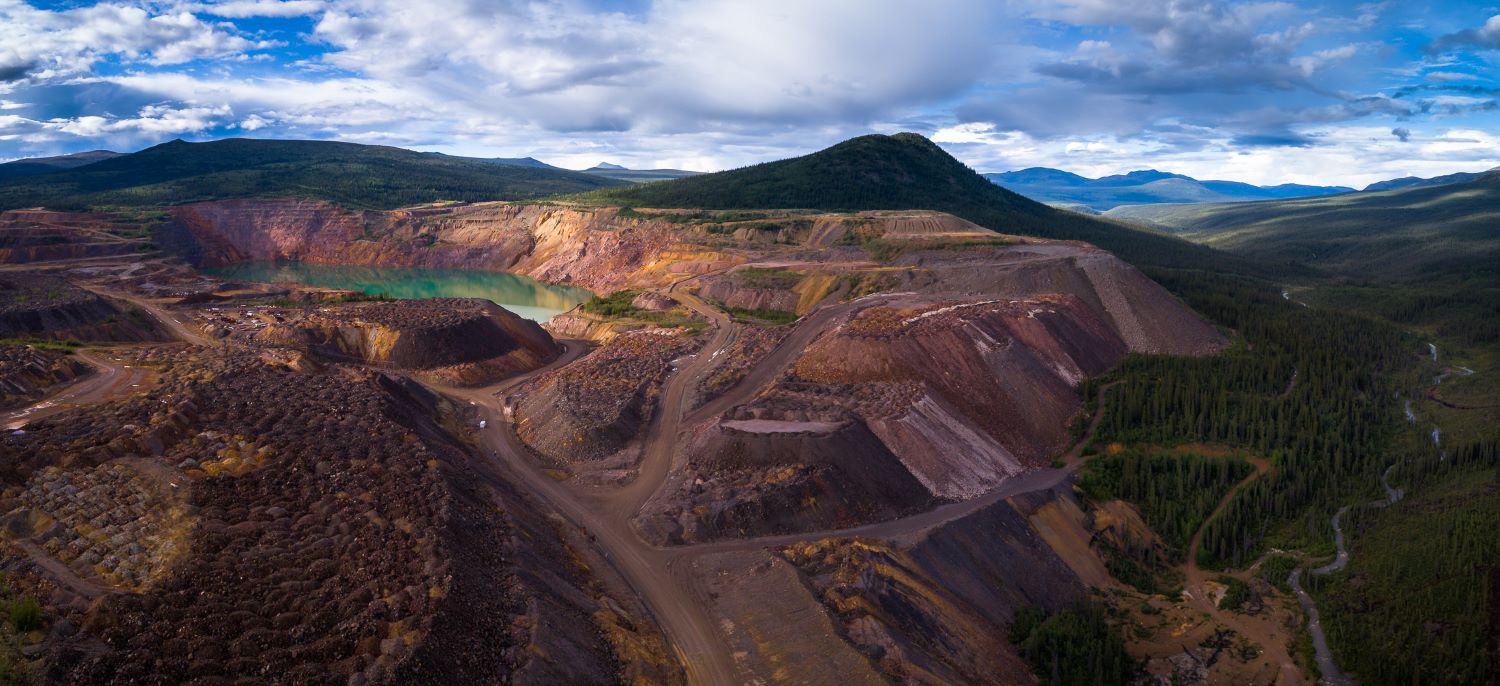
When Anvil Range walked away from the Faro Mine in 1998, it left behind a contaminated landscape of staggering scale. The mine site spans 25 square kilometres — roughly the size of Victoria, British Columbia. Across that terrain sit 70 million tonnes of tailings and 320 million tonnes of waste rock, the residue of nearly three decades of continuous extraction. Piled one metre deep, that waste would cover 26,179 football fields.
The problem is not just volume. It is chemistry. Exposing sulphide-bearing rock to air and water triggers acid rock drainage — a self-sustaining chemical reaction that leaches heavy metals, particularly zinc, into the surrounding environment. The contaminated runoff flows into Rose Creek, which feeds the Pelly River, which feeds the Yukon River. Without intervention, the drainage will worsen over time, poisoning waterways that sustain fish populations and downstream Indigenous communities for generations.
The mine also left behind dams holding back tailings ponds, water treatment infrastructure that requires constant operation, and an interconnected network of contaminated channels that must be rerouted, treated, or sealed. The site cannot simply be abandoned and left to nature. It must be actively managed — possibly in perpetuity.
The $5 Billion Remediation and the Cleanup That May Never End
The financial trajectory of Faro’s cleanup is a case study in how extraction industries externalize their costs. In 2002, when the Commissioner of the Environment and Sustainable Development first assessed the site, the estimated remediation cost was $200 million. The mine’s financial security — the bond posted by the operators to cover cleanup — was $14 million. The gap between liability and security was already enormous.
By 2016, the federal government had spent between $250 million and $350 million on care and maintenance alone — running pumps, operating water treatment plants, preventing tailings dams from breaching — without starting actual remediation. Annual maintenance costs run approximately $40 million. In 2019, the federal budget allocated $2.2 billion over fifteen years for the Northern Abandoned Mine Reclamation Program, designed to address eight abandoned mines across the Yukon and Northwest Territories. Faro is just one of the eight, and it dwarfs the others.
In 2022, the federal government signed a $108-million contract with Parsons Inc. for construction management. Parsons itself estimated that the contract could span over twenty years and exceed $2 billion. By the 2022–23 fiscal year, the estimated total remediation cost had ballooned to $5 billion, with an additional $791 million already spent. The 2024 audit by Canada’s Commissioner of the Environment found that contaminated sites in the North had not been managed effectively, that financial liabilities had increased by 59 percent since 2019, and that most environmental and health targets were not on track.
The remediation plan follows a “stabilize in place” approach: covering the waste rock and tailings, rerouting creeks away from contaminated areas, constructing permanent water treatment facilities, and monitoring the site for decades after active work is complete. Active remediation is expected to take 10 to 15 years once fully underway, followed by 20 to 25 years of testing and monitoring. The total timeline stretches past 2060 — by which point the cleanup of Faro will have lasted longer than the mine itself ever operated.
The mine produced lead and zinc for roughly 22 of its 28 years of theoretical existence. The country will be paying for those 22 years for at least another four decades.
The Mountain of Everything: What the Mine Did to the Kaska Dena
The Faro Mine sits on the traditional territory of the Ross River Dena Council, the Liard First Nation, and other Kaska communities. It is also upstream from the traditional territory of the Selkirk First Nation. The development of the mine and its supporting infrastructure — roads, the townsite, the power grid — was, in the words of the remediation project’s own historical documentation, one of the most debilitating events in the Ross River area, causing significant environmental and social impacts.
Before the mine, the area around Tsē Zūl supported at least eight extended Kaska families in permanent and seasonal camps. A network of trails connected habitation sites, hunting grounds, and sacred areas. The mine did not simply displace wildlife. It displaced a way of life. The town of Faro was deliberately located distant from Ross River, and most First Nation employees were directed to a separate coal mine near Carmacks rather than hired at Faro itself. The economic benefits of the mine — the $25-an-hour wages, the steak dinners, the housing — flowed overwhelmingly to workers recruited from southern Canada, not to the people whose land had been excavated.
Ross River, 70 kilometres down the road from Faro, is a community of fewer than 300 people that has struggled with poverty and social dislocation in the decades since the mine’s closure. The Ross River Dena have yet to reach a self-government agreement with Canada.
The remediation project now represents a different kind of relationship. Each summer, Kaska Dena return to Tsē Zūl to plant locally sourced seedlings as part of a community-based revegetation programme. The Dena Nezziddi Development Corporation, the economic arm of the Ross River Dena Council, has participated in camp construction and site work. The remediation is framed explicitly as a reconciliation effort — an attempt to restore not just contaminated soil, but a partnership that was never honoured in the first place.
Faro Today — The Serial Community That Refuses to Disappear
The Residents Who Stayed and the Town That Grew Back
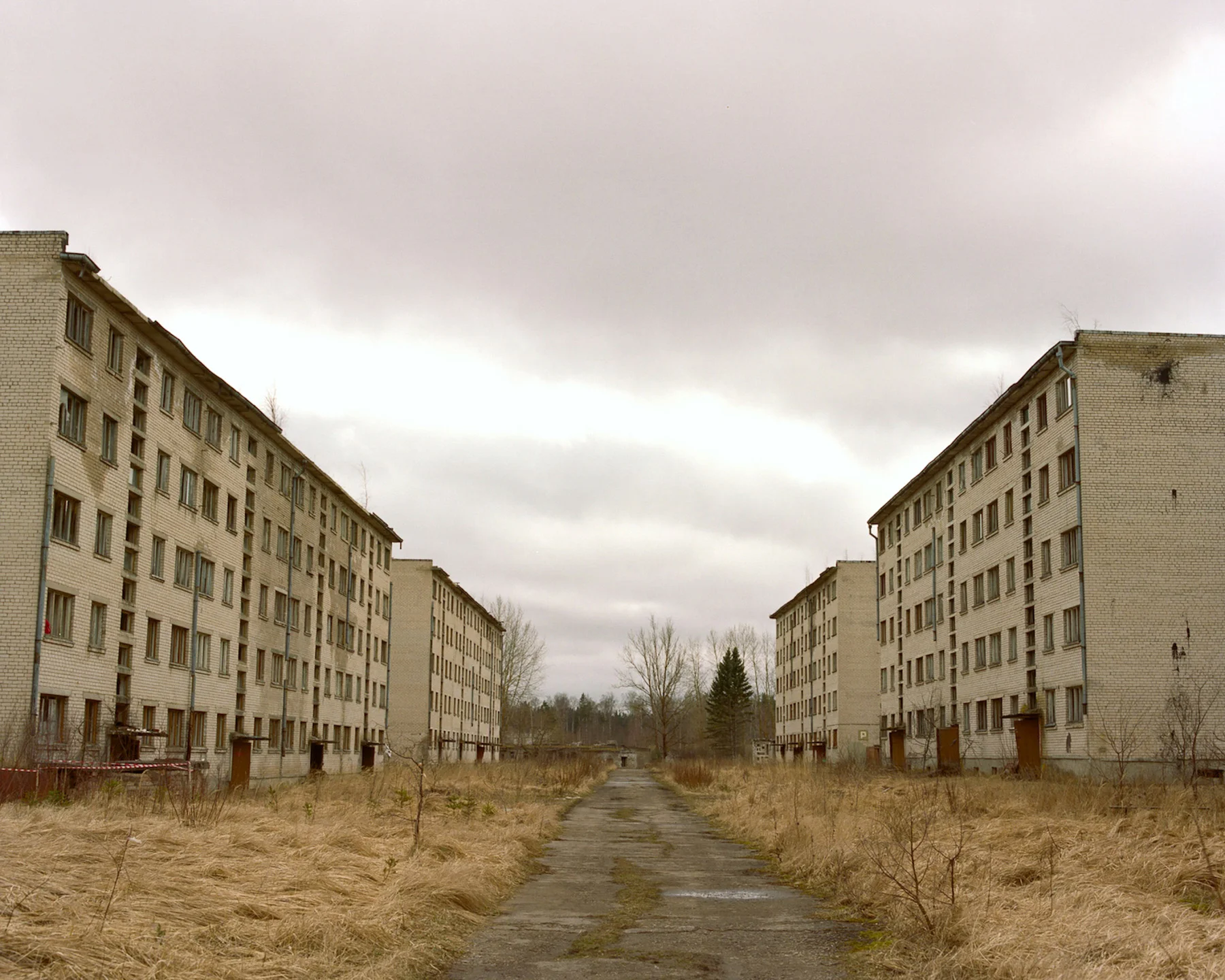
Driving through Faro on a quiet day does not immediately suggest a town on the upswing. Some streets are lined with dark, decaying houses — unshovelled driveways, boarded-up apartment complexes, entire residential blocks standing empty. The town built for 3,000 people houses fewer than 500. A golf course winds through the main streets, its fairways crossing roads where children once walked to school.
The 2021 census recorded 440 residents. Mayor Jack Bowers, a former mining engineer, believes the number has since topped 500. The paradox of modern Faro is that it simultaneously looks abandoned and faces a housing shortage. Dozens of long-derelict homes have been purchased in recent years by individuals and contractors anticipating the remediation boom. The old Faro Hotel was converted into worker housing for Parsons employees. Office and industrial space is scarce. Tourist accommodation is nearly nonexistent.
Kara Went, who drives the school bus, moved to Faro fifteen years ago to raise her family. She has called it the best decision she ever made. The community holds potlucks, organises festivals, and maintains the kind of mutual reliance that only exists in places where the nearest city is a four-hour drive away. Faro’s future, ironically, is now secured by the same mine that nearly destroyed it — the federal remediation contract guarantees decades of employment, housing demand, and infrastructure investment.
Dall Sheep, Sandhill Cranes, and the Land Reclaiming Itself
The other engine of Faro’s survival is the landscape itself. The Pelly River valley, once scarred by burnout from the 1969 fire, has regenerated into a corridor of deciduous colour. Dall sheep and Stone sheep graze the hillsides above town — close enough to watch from viewing platforms built along the streets. Grizzly bears move through the surrounding bush. Moose wander the edges of the golf course. In spring, thousands of sandhill cranes pass overhead on their migration to Alaska and Siberia, drawing birdwatchers to a town that most Canadians have never heard of.
The Campbell Region Interpretive Centre offers exhibits on the mine, the Kaska, and the natural history of the Tintina Trench. The Dena Cho Trail, a 67-kilometre route linking Faro to Ross River, provides backcountry hiking through the same terrain that Kulan and Sterriah once traversed on foot. Fishing for grayling and pike is available in the Pelly River and surrounding lakes.
The mine that built Faro also destroyed the environment that sustained it. The cleanup that followed is now, perversely, sustaining the town. And the wilderness that predated all of it — the mountain of everything — is slowly, unevenly, growing back.
Visiting Faro, Yukon — The Atlas Entry
Faro lies 356 kilometres northeast of Whitehorse via the Robert Campbell Highway (Yukon Highway 4), a mostly paved two-lane road that passes through some of the most remote terrain in southern Yukon. The drive takes roughly four and a half hours. The town is also served by the Faro Airport, though scheduled commercial flights are limited. There is no public transit.
Visitor services are minimal. The town’s only hotel was converted to contractor housing in 2022, so accommodation options are limited to bed-and-breakfasts, RV camping, and the occasional rental listing. The Campbell Region Interpretive Centre, open seasonally, is the best starting point for understanding the mine’s history and the region’s ecology. The Faro Mine viewpoint, accessible by road, offers a panoramic view of the open pits and tailings — a stark visual lesson in the scale of industrial extraction. The annual Crane and Sheep Festival draws visitors each spring.
Faro is not a monument to tragedy in the way that Pripyat or Centralia are. It is a living town — diminished, scarred, but inhabited and stubbornly functional. The ethical weight of visiting comes not from voyeurism but from the gap between what was promised and what was delivered. A company carved a town from the wilderness, extracted what it needed, and left the bill to the public. The people who stayed are not relics. They are the ones who decided the gamble was worth it, even after the house won.
Frequently Asked Questions About Faro, Canada
Is Faro, Yukon a Ghost Town?
Faro is not a ghost town in the strict sense, though it is often described as one. The 2021 Canadian census recorded a population of 440, and local estimates suggest the number has since grown past 500 due to employment generated by the federal mine remediation project. Many buildings remain abandoned or derelict, and entire residential blocks stand empty, giving parts of town a ghostly appearance. The community, however, is active, with a school, interpretive centre, golf course, and annual festivals.
What Happened to the Faro Mine in Yukon?
The Faro Mine was the world’s largest open-pit lead-zinc mine during its peak operation in the 1970s. It opened in 1969 under the Cyprus Anvil Mining Corporation and operated intermittently under three successive owners until its permanent closure in 1998, when the final operator, Anvil Range Mining, declared bankruptcy. The mine left behind 70 million tonnes of tailings and 320 million tonnes of waste rock across a 25-square-kilometre site that is now one of Canada’s most complex environmental remediation projects.
How Much Will the Faro Mine Cleanup Cost?
Early estimates in 2002 placed the remediation cost at $200 million. By 2022–23, Canada’s auditor general reported that estimated costs had risen to approximately $5 billion, with an additional $791 million already spent. Annual care and maintenance alone costs roughly $40 million. The federal government, through the Northern Abandoned Mine Reclamation Program, is responsible for funding the cleanup, which is expected to take 10 to 15 years of active work followed by decades of monitoring.
Who Lived in Faro Before the Mine Was Built?
The area around the Faro Mine is the traditional territory of the Kaska Dena, particularly the Ross River Dena Council and the Liard First Nation. The Kaska name for the mine area is Tsē Zūl, meaning “hollow rock.” Archaeological evidence documents at least 26 sites in the area, and multiple extended families maintained permanent and seasonal camps connected by trail networks. The development of the mine caused significant environmental and social disruption to these communities.
Can You Visit the Faro Mine Site?
The mine site itself is an active remediation zone and is not open to the general public. A viewpoint accessible by road offers a panoramic view of the open pits and tailings ponds. The Campbell Region Interpretive Centre in the town of Faro provides exhibits on the mine’s history, the Kaska Dena, and the region’s natural environment. The town is accessible via the Robert Campbell Highway, approximately 356 kilometres northeast of Whitehorse.
What Wildlife Can You See in Faro, Yukon?
Faro has become an ecotourism destination known for its accessible wildlife viewing. Dall sheep and Stone sheep graze on hillsides visible from viewing platforms within town. Grizzly bears, moose, and wolves inhabit the surrounding valleys. In spring, thousands of sandhill cranes migrate through the Pelly River valley on their way to Alaska and Siberia. The annual Crane and Sheep Festival celebrates this seasonal wildlife spectacle.
Sources
* Faro Mine Remediation Project — About FMRP: History of Mine - Crown-Indigenous Relations and Northern Affairs Canada (2020)
* Contaminated Sites in the North (Report 1) - Commissioner of the Environment and Sustainable Development, Office of the Auditor General of Canada (2024)
* The Town of Faro — History - What’s Up Yukon / Leighann Chalykoff (2025)
* Faro Rises Again - CBC News / Paul Tukker (2022)
* Twenty Years of Mining in Faro Means Billions of Tax Dollars for Care and Cleanup - Yukon News (2022)
* Alan Kulan (1921–1977) - Canadian Mining Hall of Fame (2024)
* Al Kulan - Yukon Nuggets / Les McLaughlin (n.d.)
* Westray Disaster - The Canadian Encyclopedia / Dean Chicken (2014)
* Massive Faro Mine Clean-Up Will Begin in 2022 - CBC News (2017)
* After the Mining Rush: A Visit to Faro Mine - The Narwhal / Matt Jacques (2021)
* The Mountain of Everything Keeps on Giving - The Baffler / Matt Hern (2019)
* Faro - The Canadian Encyclopedia / Hal Guest (2012, rev. 2021)