Edward writes about cities and the layers beneath them — abandoned buildings, forgotten districts, old infrastructure, and overlooked histories. His work reveals how places change, decay, and remember.
A British expedition walked out of this Antarctic hut in 1911 to race for the South Pole. They never came back. The cold preserved everything they left behind.
A British ship sank in the Weddell Sea in 1915. Every man survived. The wreck then disappeared for 107 years — until a sonar image came back in 2022.
A Dutch flagship struck a coral reef off Australia in 1629. The wreck killed 40. The man who took command of the survivors killed three times that.
The MS Estonia capsized in 30 minutes, killing 852 in Europe's worst peacetime ferry disaster. The wreck was sealed. The questions never were.
Six thousand Greeks were marched out of this Lycian hillside village. The Turks sent to replace them refused to stay. A century later, 500 houses stand empty.
Tamerlane killed 17 million people and built the most beautiful city in the medieval world with the spoils. His tomb was opened three days before Barbarossa.
The British built Jos for tin. When the mines collapsed, the city split along a religious fault line — and thousands died in the violence that followed.
A British company mined Obuasi's gold for a century. When the mine closed, thousands of illegal miners moved in — and soldiers started shooting.
Captain Cook sailed into Kealakekua Bay and was welcomed as a god. Four weeks later, Hawaiians killed him on the same shore. What went wrong?
Faro, Yukon was once home to the world's largest lead-zinc mine. Three owners went bankrupt, and the cleanup bill hit $5 billion. Who's still living there?
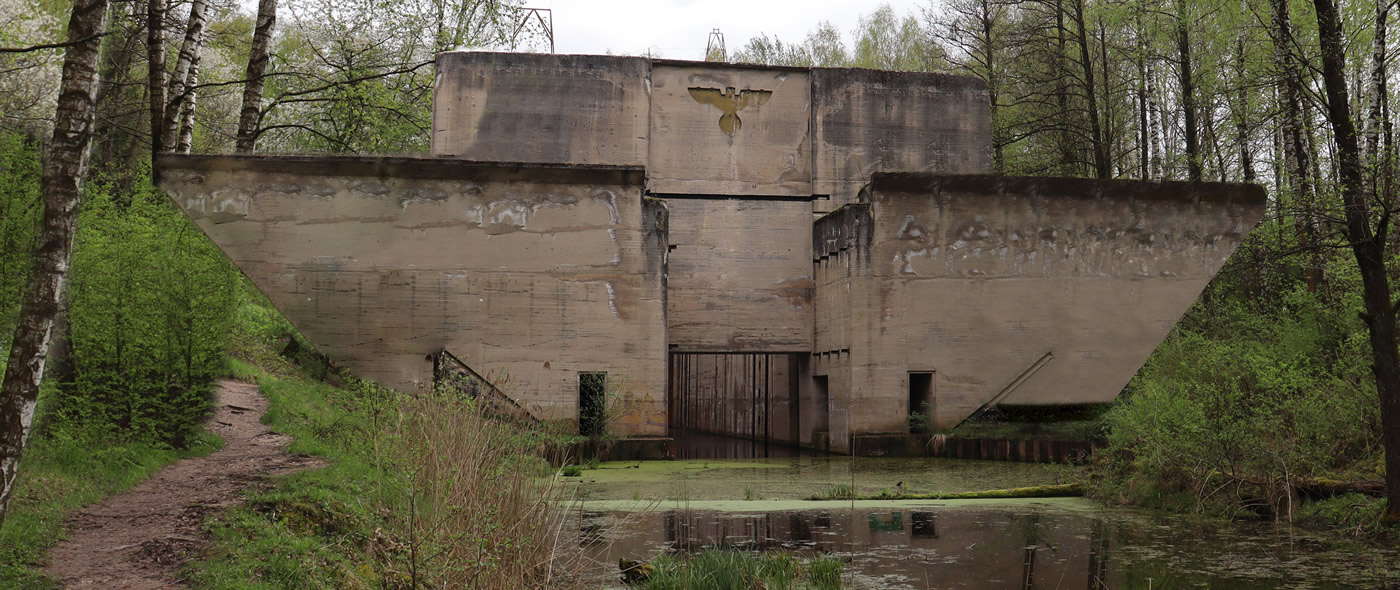
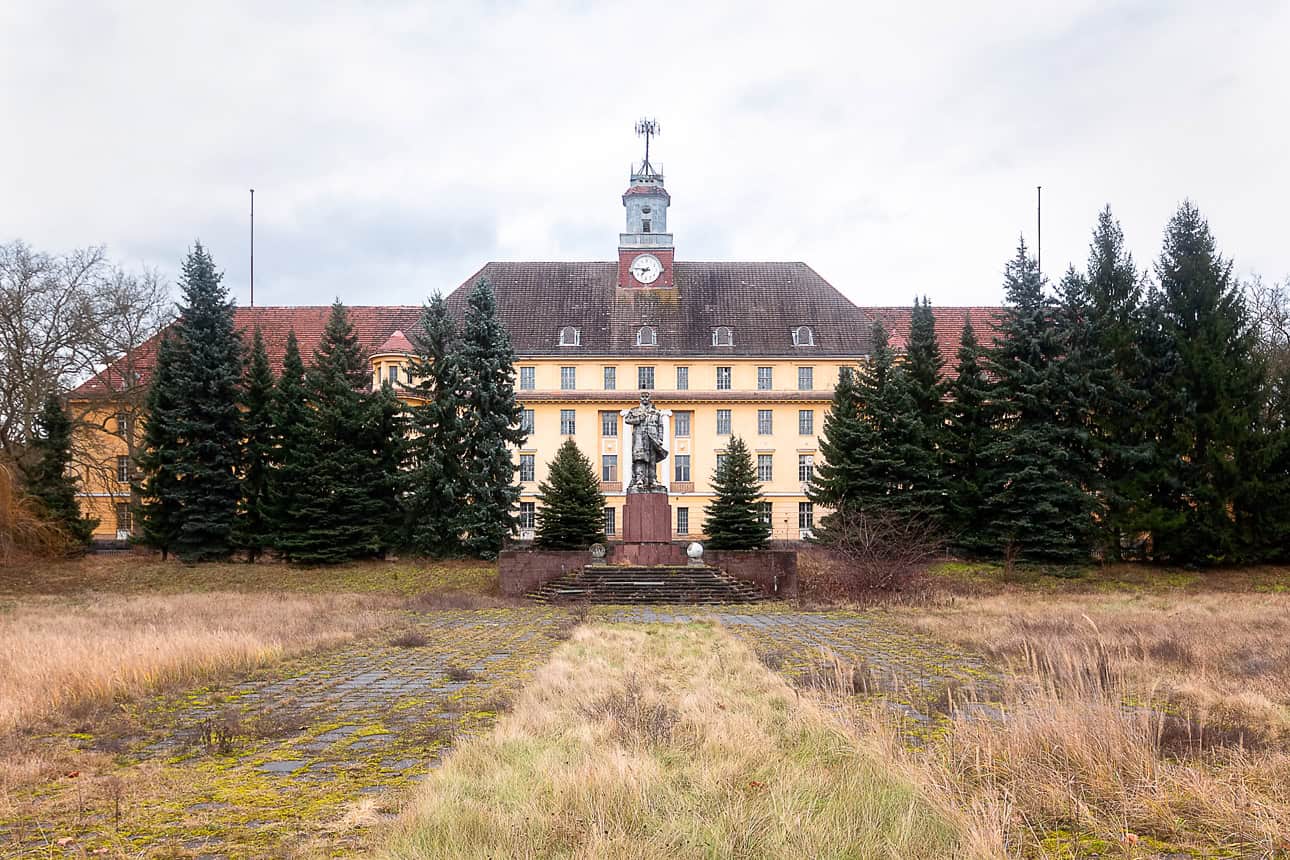
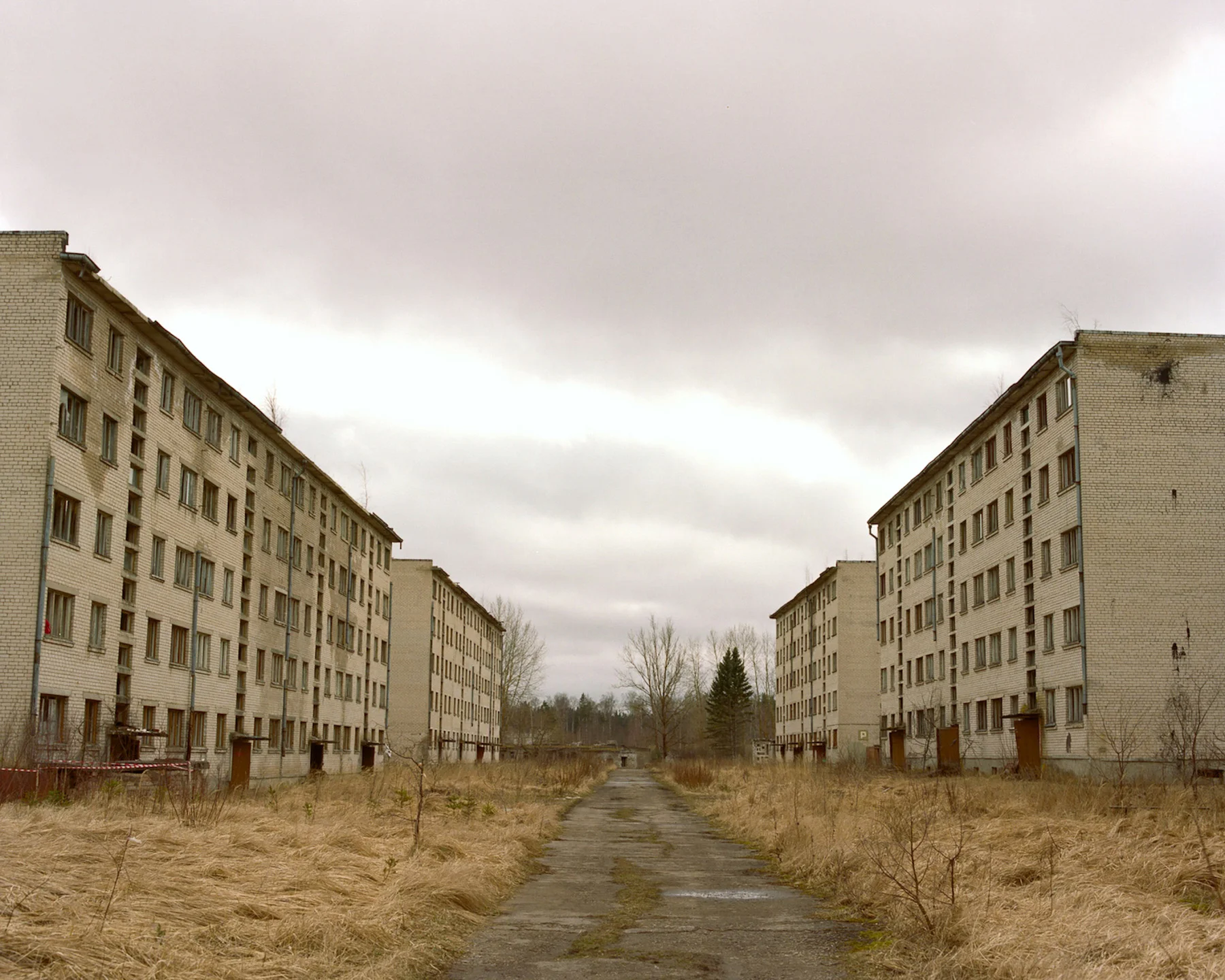
The German sanatorium that healed Hitler in 1916, hid Honecker in 1991, and held a closed Soviet city in the pines for 50 years — still standing in the forest.
The $6 billion underground airbase built to survive a nuclear strike — destroyed in three days by the army that spent 35 years defending it.