

Pearl Harbor: The Day That Changed World War II

Explore Pearl Harbor, the site of the infamous 1941 attack that drew the US into World War II. Discover the geography of the harbor, what happened to the sunken ships, from the USS Arizona to the USS Oklahoma, and explore the memorials and museums that honor the lives lost.
Loch Ness: The Black Water That Gave Birth to a Monster
Discover the substantive awe of Loch Ness, Scotland's legendary abyss. From the 230m depth of the Great Glen to the 2019 eDNA search for the Monster, we profile the reality behind the myth.

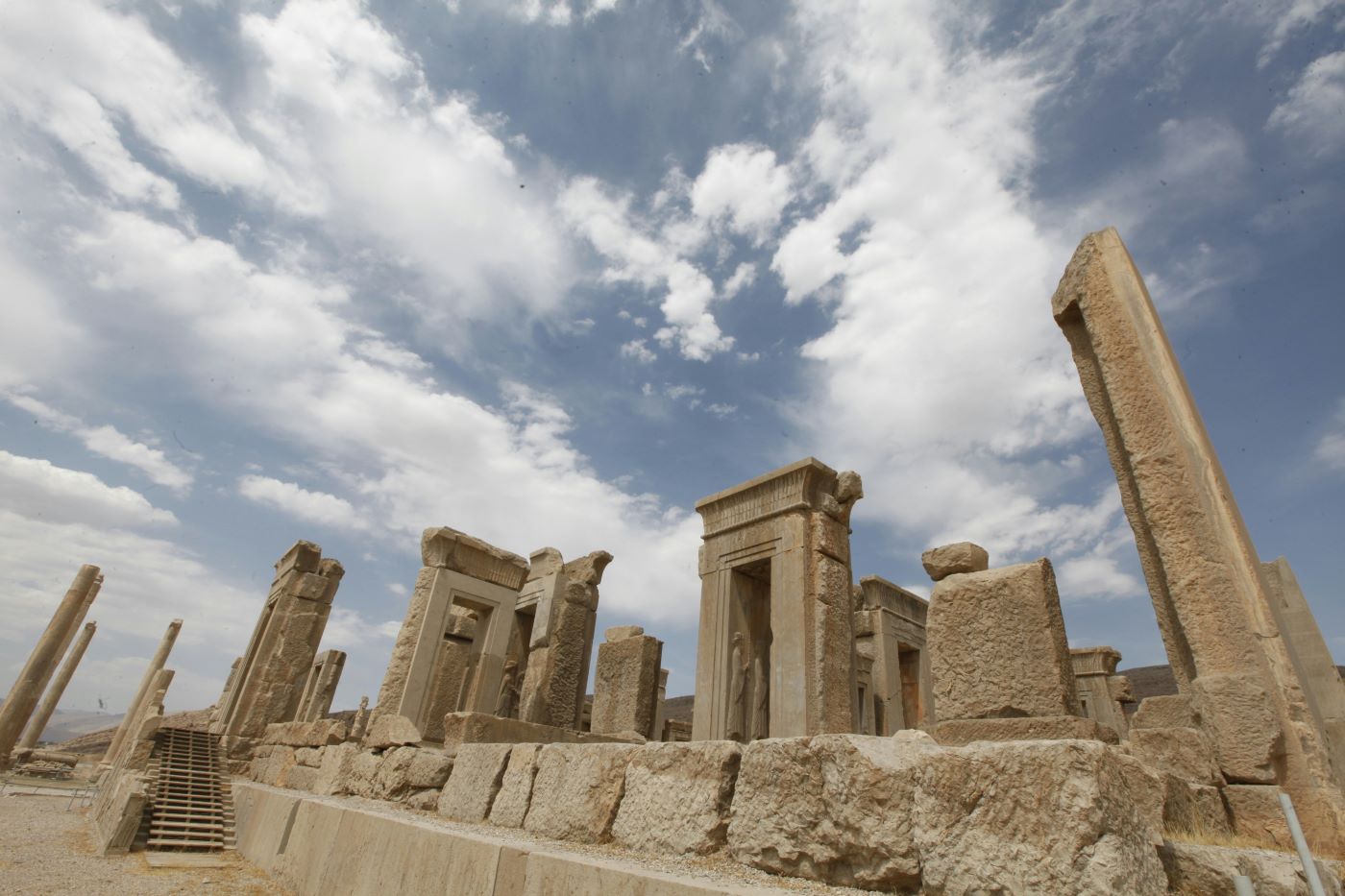
Persepolis: The Glorious Ruins of the Persian Empire

Step into the ancient world of Persepolis, the ceremonial capital of the Achaemenid Empire. Learn about its destruction by Alexander the Great, modern excavations, and the controversies surrounding its preservation.
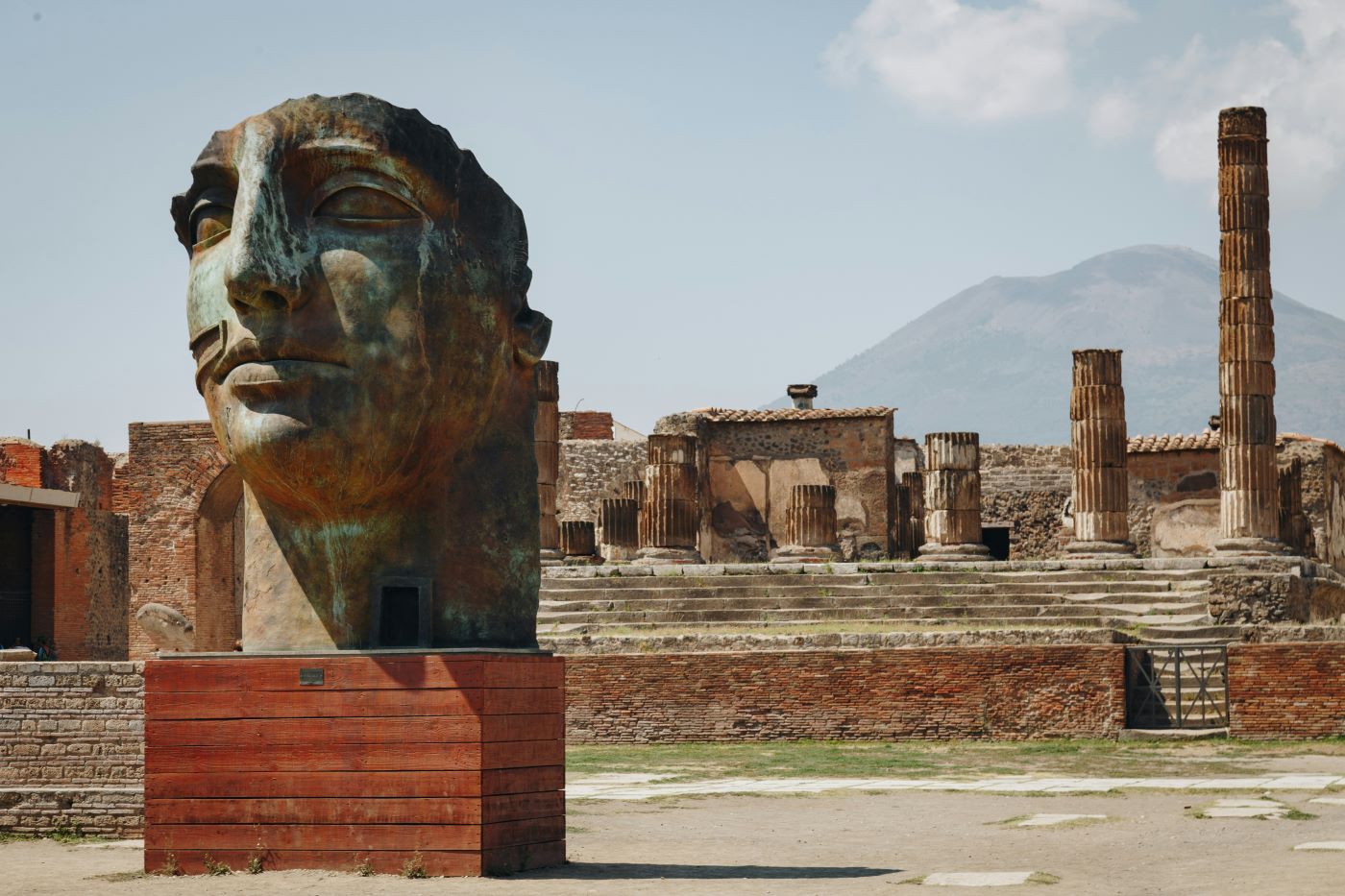
Pompeii: The City That Died in a Day

Step inside Pompeii, the city buried alive in 79 AD. Walk the silent streets, face the haunting plaster casts, and witness a civilization frozen in ash.


The Dark Atlas: Abandoned, Tragic & Forbidden Places Around the World
A collection of real-world locations where history, power, belief, and secrecy have left their darkest marks.


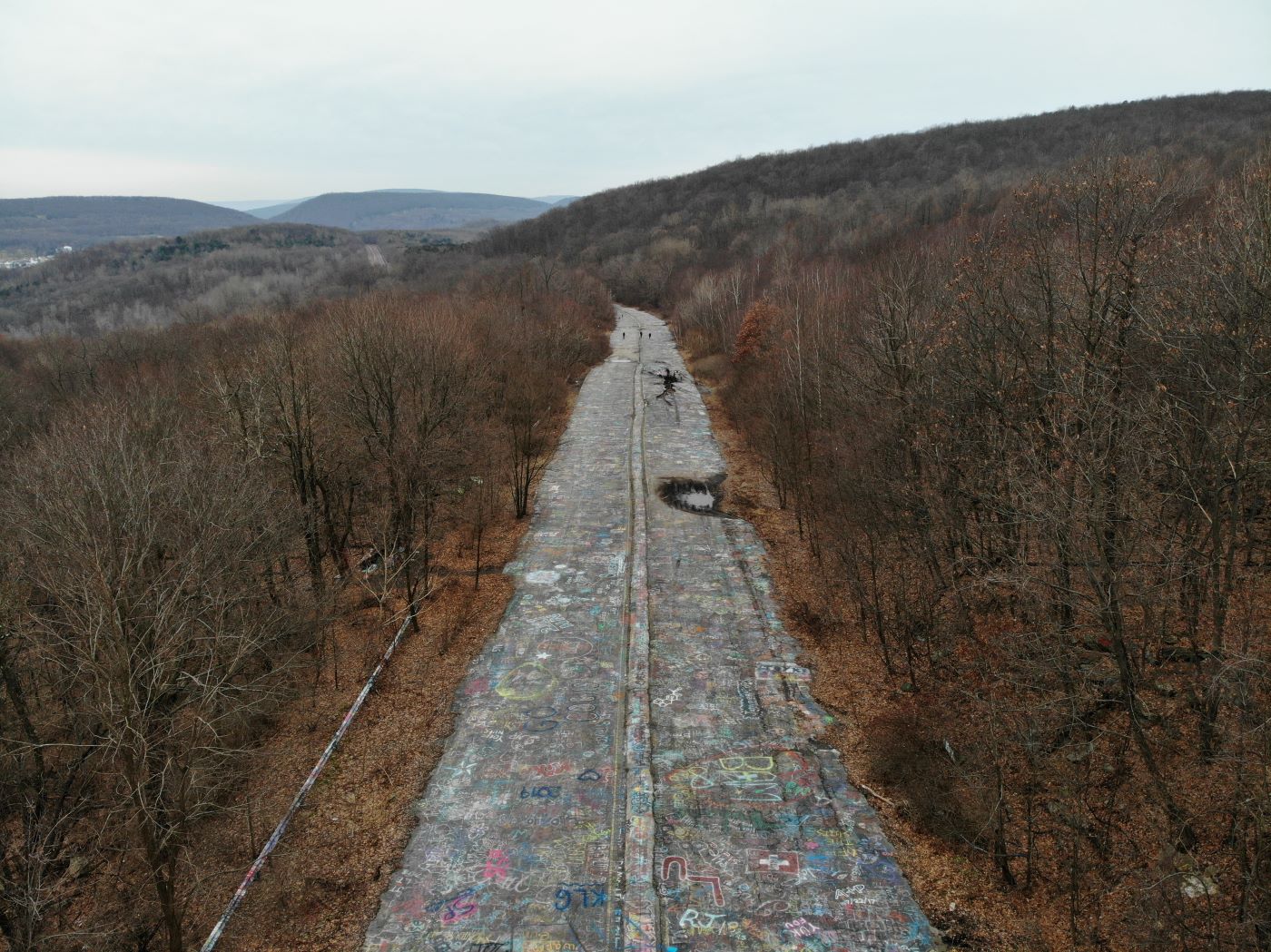
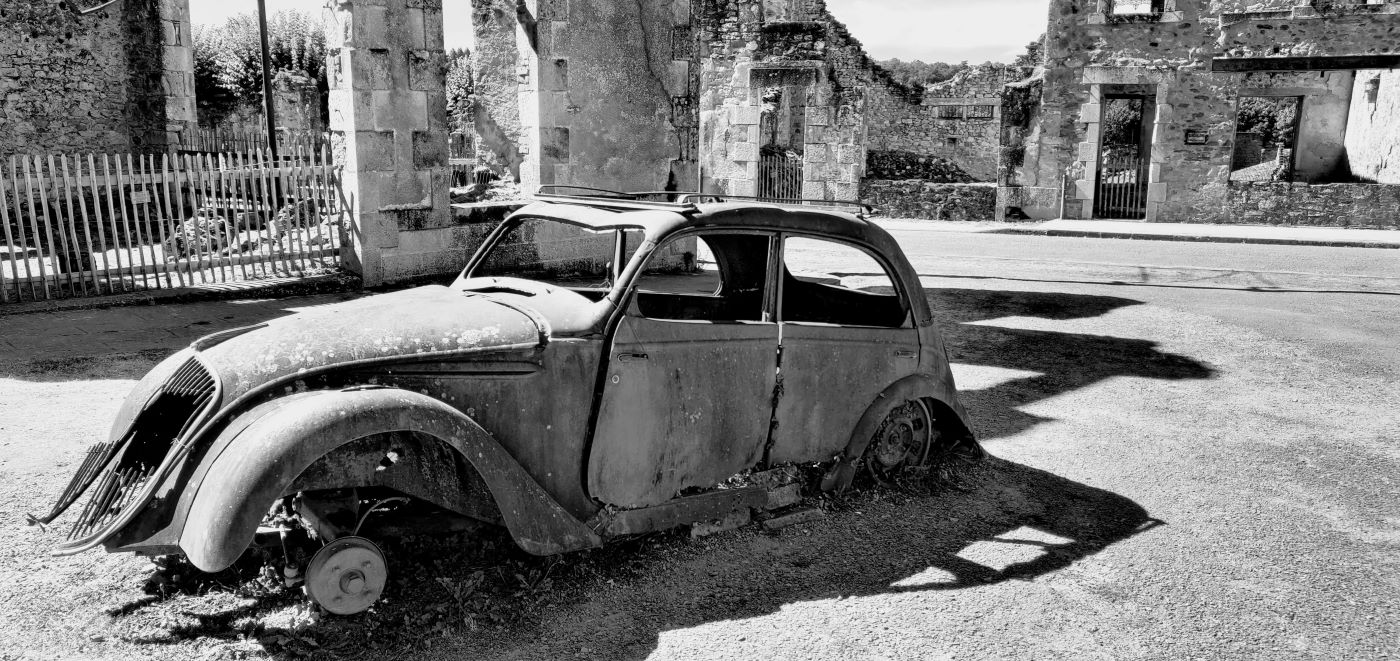
Or Explore by Region
Discover the world’s most haunting dark tourism destinations and hidden places, organized by region across the globe.
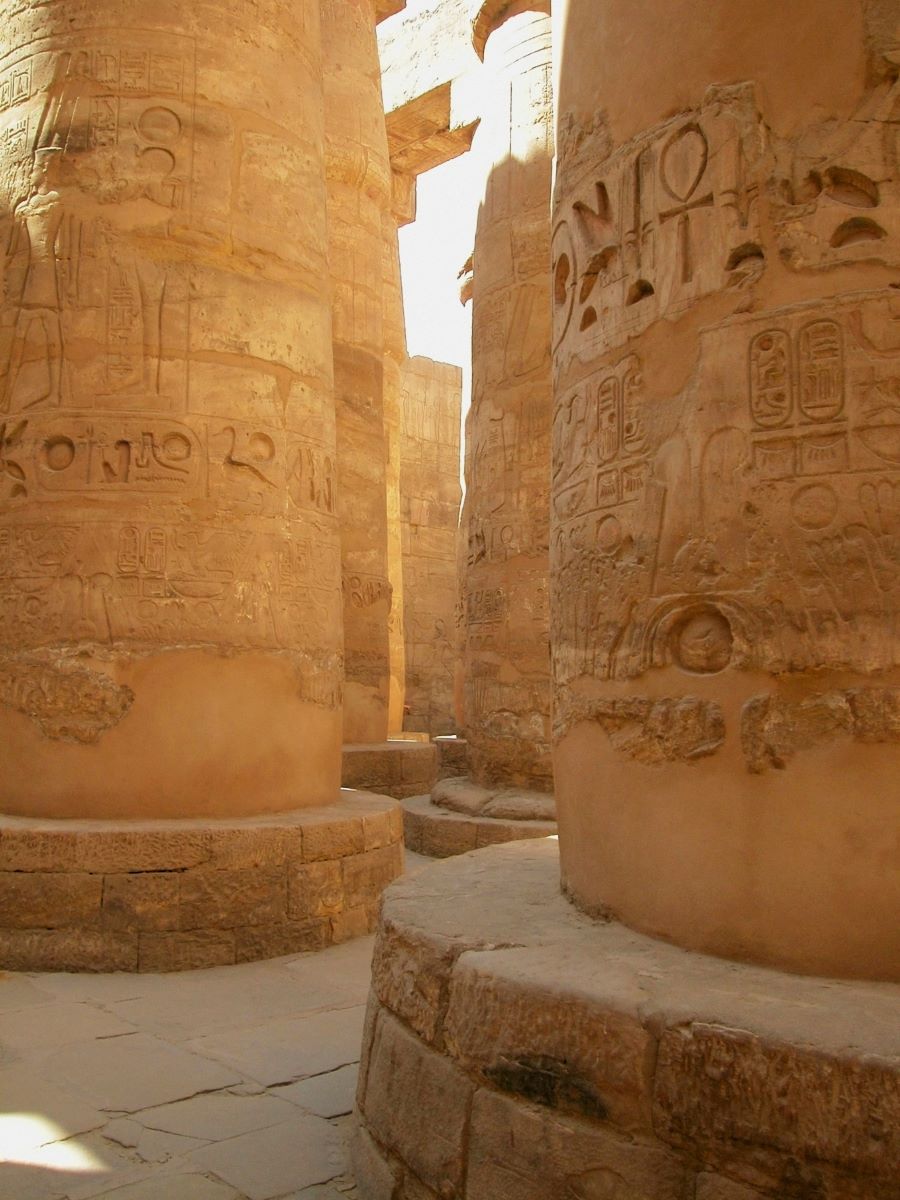

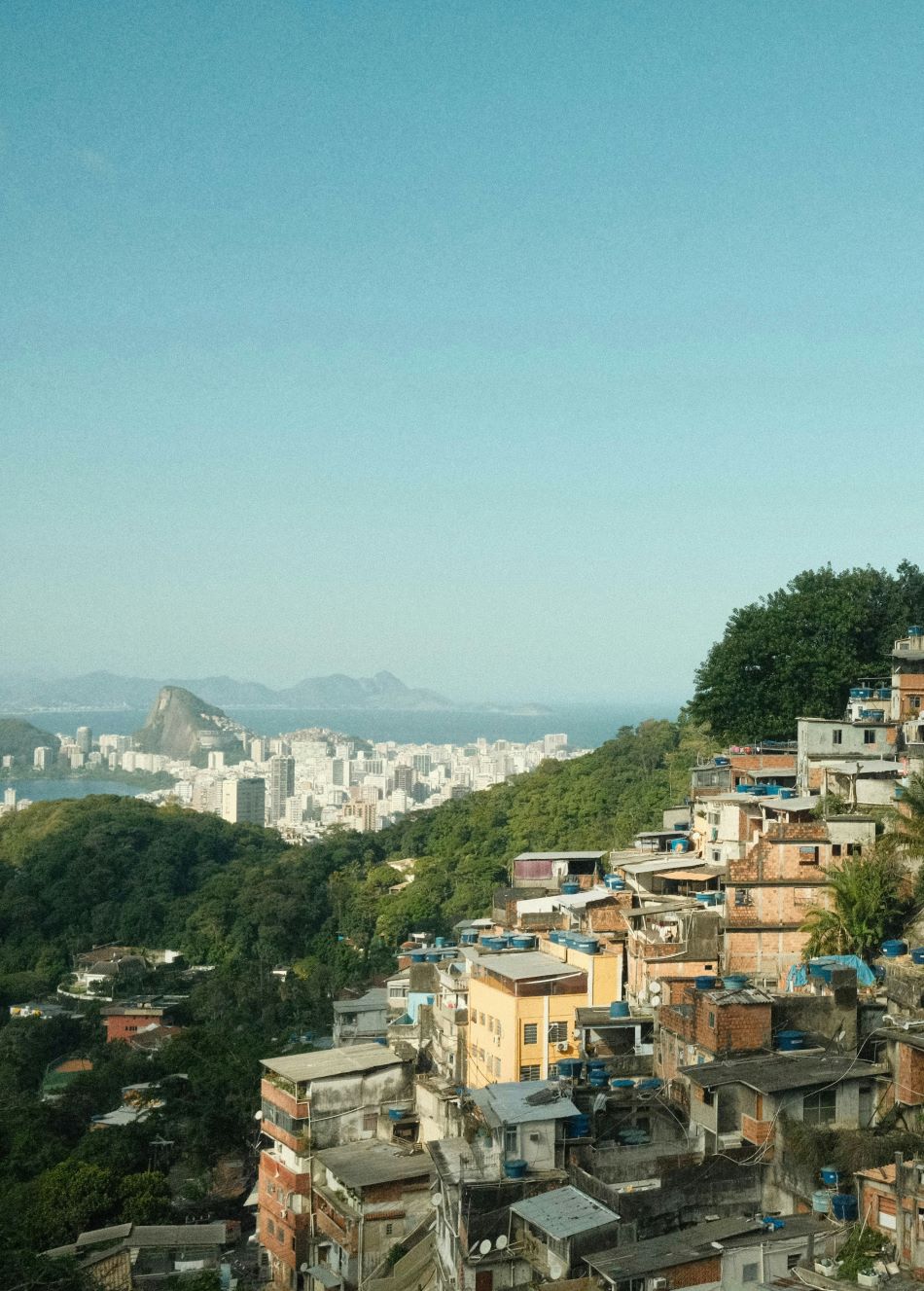
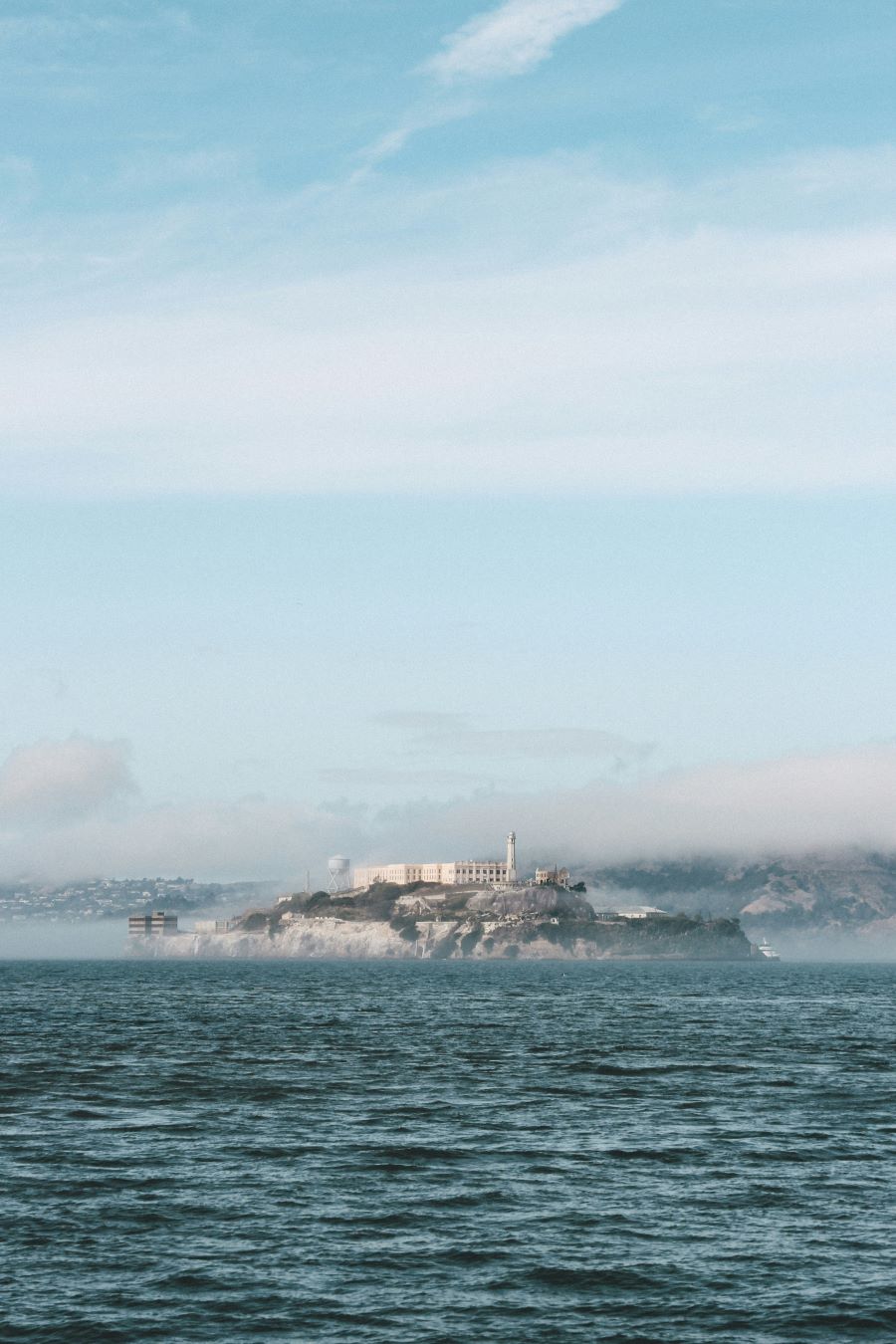
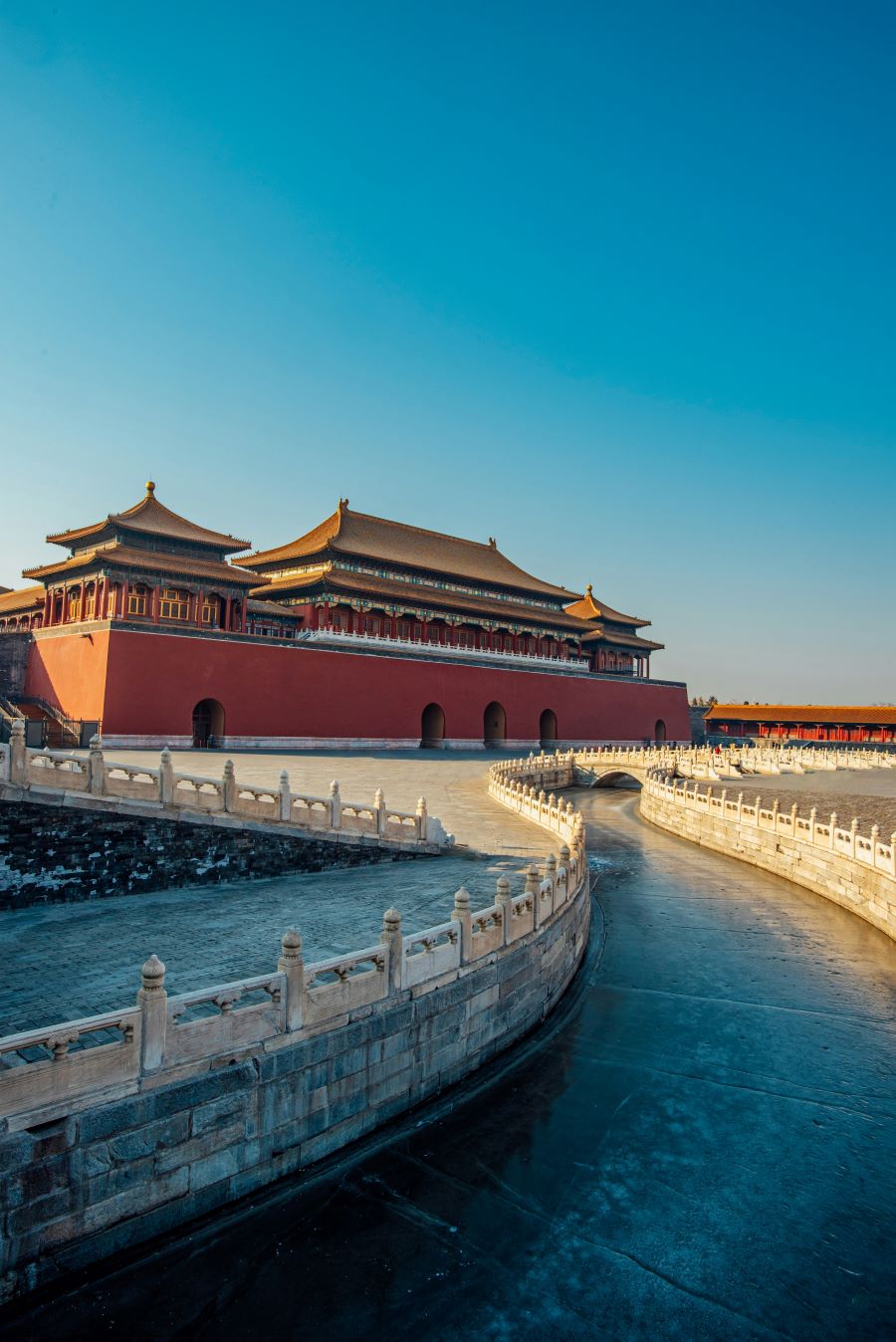
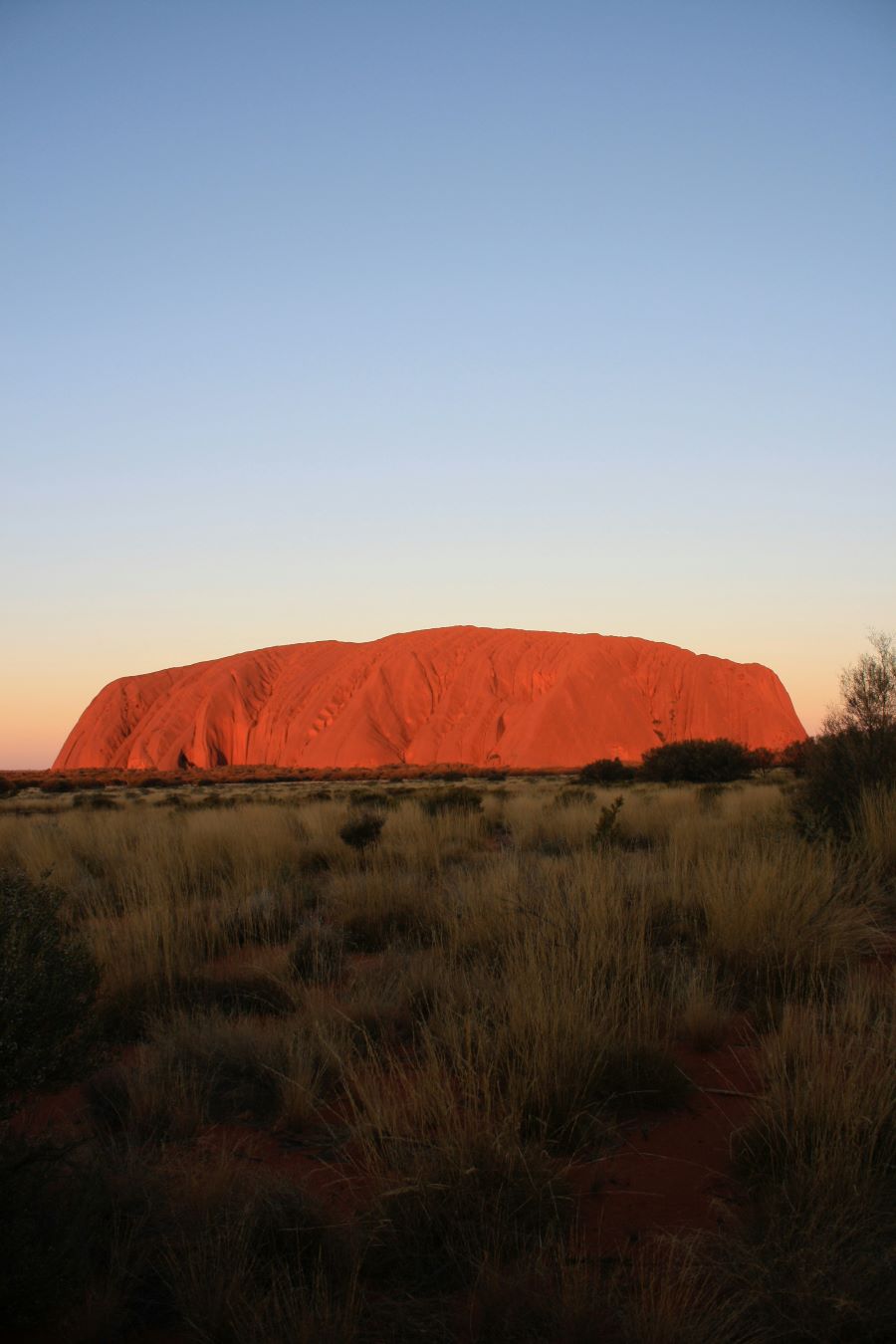
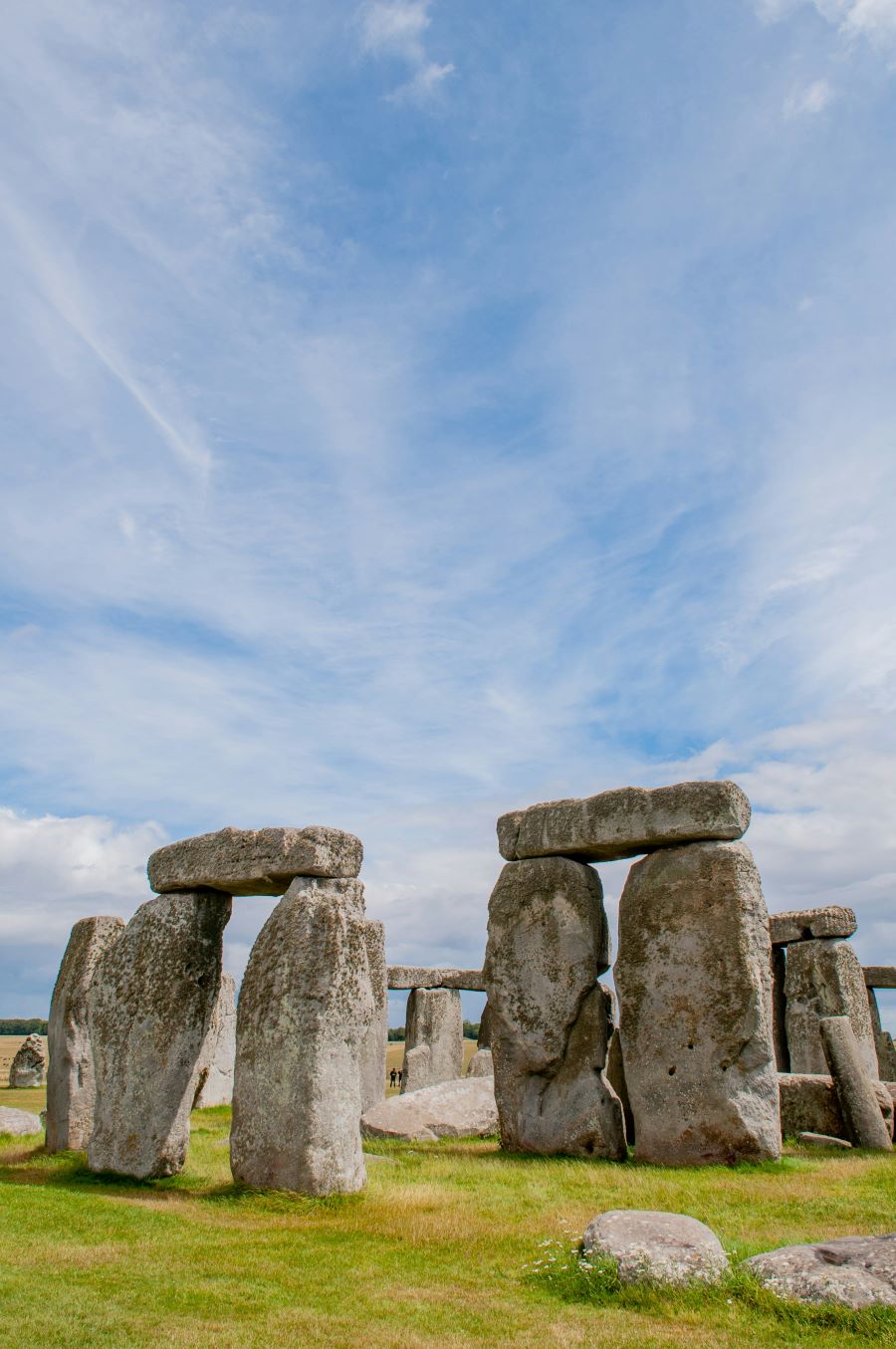
All our stories, guides, and explorations in one place.
Frequently Asked Questions
Find quick answers to common questions about The Dark Atlas, our stories, and how we explore the world of dark tourism.
What is The Dark Atlas?
The Dark Atlas is a website dedicated to the world's "dark" places. We document locations marked by tragedy, abandonment, or mystery—from famous tourism destinations to remote shipwrecks. We write about them to educate people on the events that happened there, provide historical context, and explain if (and how) it is possible to visit these places today.
What kind of stories does The Dark Atlas cover?
The Dark Atlas shares stories of haunted places, abandoned cities, war ruins, hidden histories, crime underworlds, and dark legends. Each article blends historical fact with atmosphere, creating a guide to the world’s most mysterious sites.
We cover a broad spectrum of the "dark" human experience. This includes:
- Historical Tragedies: War memorials, battlefields, and sites of conscience.
- Abandonment: Ghost towns, industrial ruins, and forgotten infrastructure.
- Natural & Man-Made Disasters: Places like Pompeii or the Chernobyl Exclusion Zone.
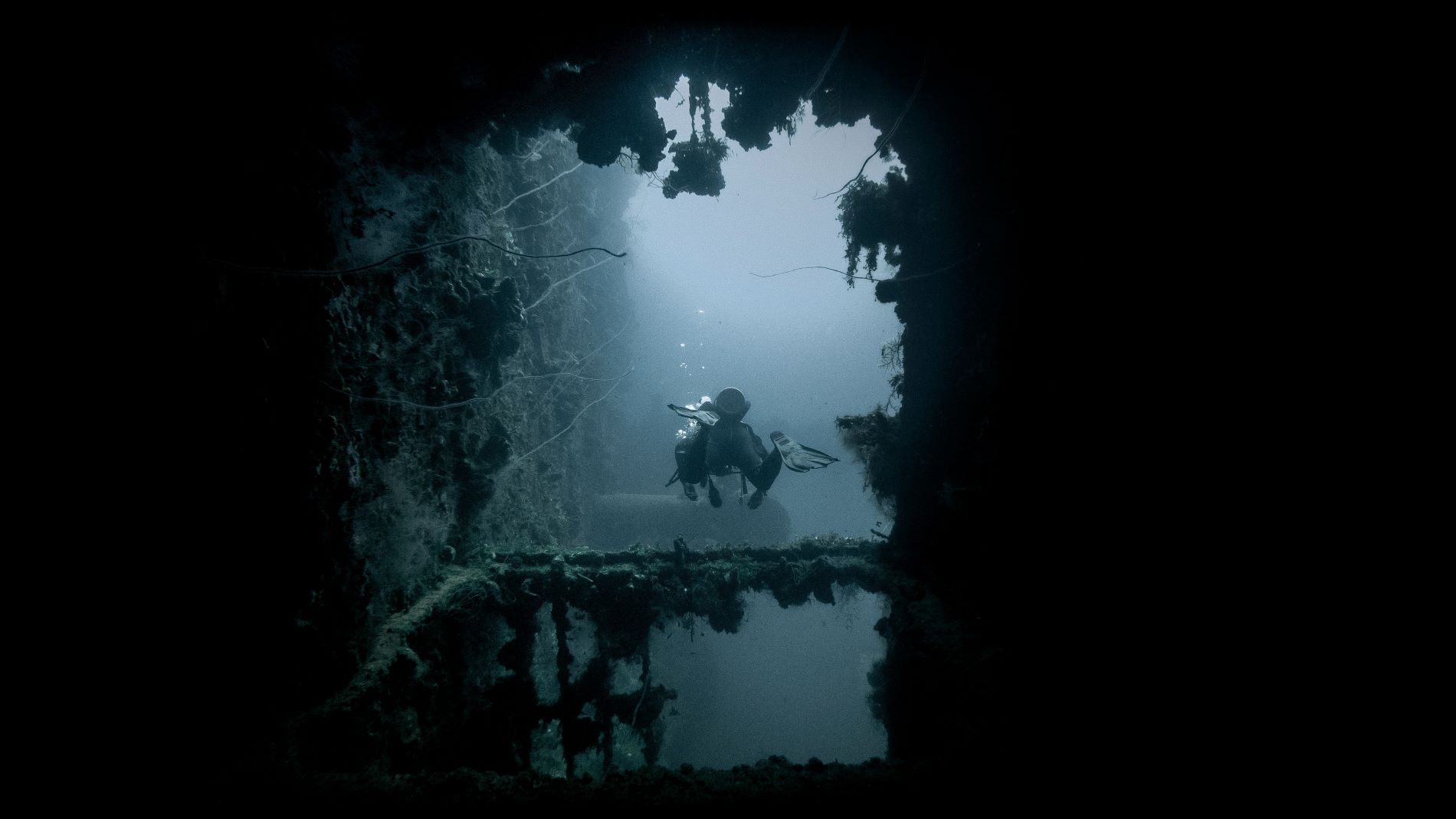
- The Inaccessible: Places you can learn about but perhaps cannot visit, such as restricted zones or underwater wrecks.
What is dark tourism?
Dark tourism (academically known as Thanatourism) is the practice of visiting locations where significant historical events involving suffering, death, or the macabre have occurred. Unlike leisure tourism, the primary focus here is the location's association with events such as wars, genocides, shipwrecks, or natural disasters, rather than the scenery or entertainment value.
You can read more about these locations in our full guide: What is Dark Tourism?
Why do people visit dark tourism sites?
People are drawn to dark tourism for many reasons: educational purposes, a desire for authentic historical connection, paying respect to past tragedies, exploring abandoned places and Memento Mori (a reminder of one’s own mortality). Visitors often find these experiences deeply moving and life-affirming, as they provide a stark contrast to typical leisure travel.
Is dark tourism ethical?
Yes, when approached with respect and "solemn curiosity". Ethical dark tourism means acknowledging the significance of tragic sites without sensationalizing them.
The key lies in the traveler's intent: Are you there to learn and pay respects, or to take selfies?
The Dark Atlas provides historical context and encourages thoughtful exploration rather than exploitation.
Can I visit every place marked on The Dark Atlas?
Not necessarily. While many locations on our map are established dark tourism sites (museums, memorials), others are documented purely for educational purposes. Some locations, such as certain shipwrecks, protected reserves, or structurally unsafe ruins, are listed to preserve their story, even if physical tourism is not possible or recommended.


