Clara writes about ancient myths, sacred places, and ruins shaped by belief and legend. Her work explores how stories, rituals, and forgotten civilizations still echo through real places today.

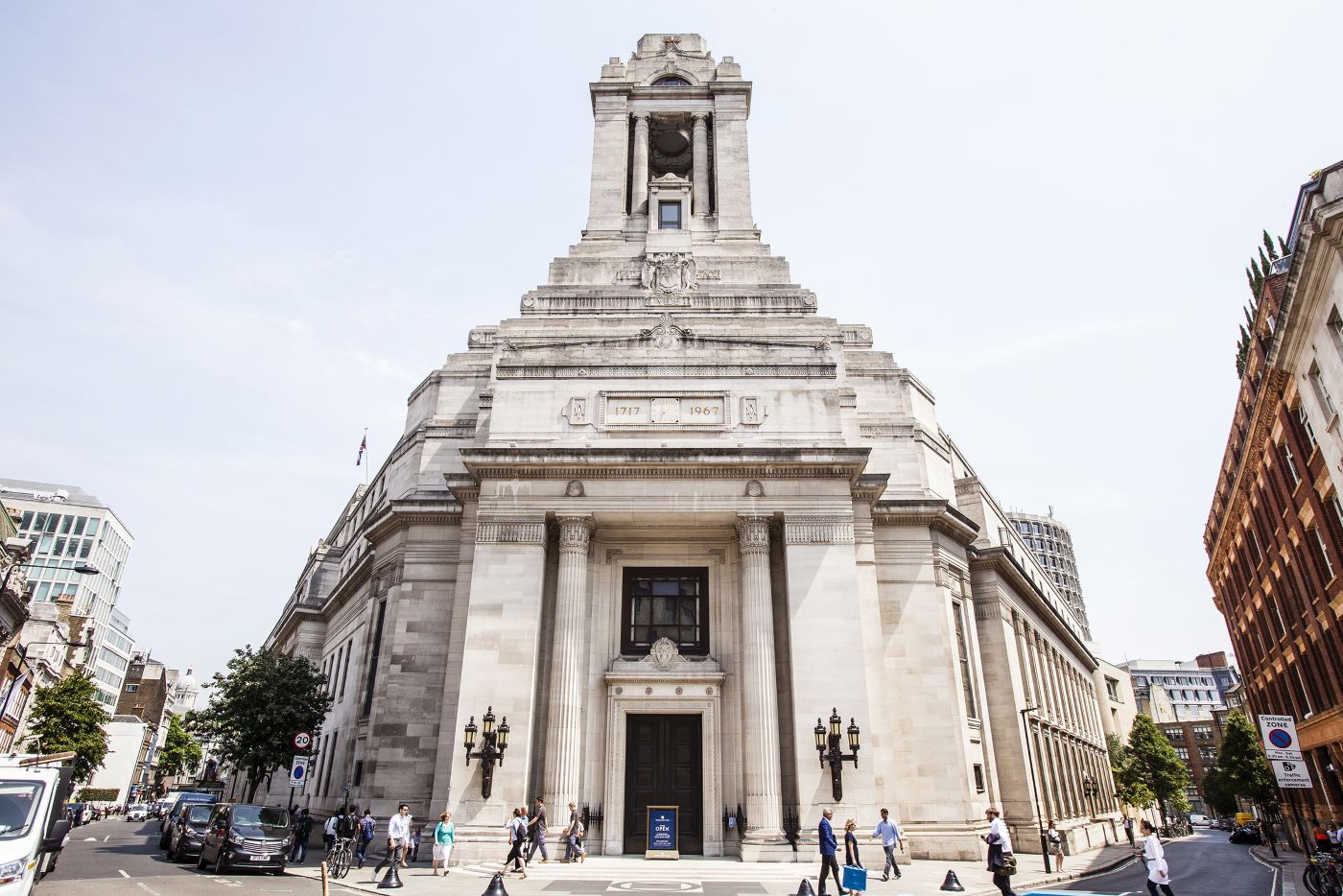
The world's most conspiracy-theorized society runs itself from a public London street — and its headquarters is secretly a war memorial for 3,000 dead.
The carved medieval church Dan Brown made famous — Holy Grail, Templar treasure, a melody in the ceiling. The real story is stranger than the myths.
The best-preserved Roman city in North Africa sits on a Tunisian hilltop — a 2,000-year-old Capitol, theatre, and 20 temples you can still walk through.
A 40km bullseye carved into the Sahara, visible only from space. Geologists call it an accident. Millions online call it Atlantis. Who's right?
Troy was a myth for two thousand years. In 1873, a German millionaire dug it up — and nearly destroyed the city he had spent his life trying to find.
Ireland's most haunted castle hides a sealed pit behind the altar. Workmen broke in and pulled out three cartloads of bones. The Elemental still walks the chapel.
A sealed door, a painted tomb, and 38 fragments of a queen dead 3,100 years — the most beautiful burial in Egypt nearly didn't survive.
In 1950 the Italian state flooded two South Tyrolean villages to build a dam. Only the 14th-century bell tower of Graun still rises from Lago di Resia.
Built by a Bohemian king in a forest with no town, no road, no water — Houska Castle's defences face inward. Some say it was meant to keep hell sealed.
340 dead. 200 bodies still on the mountain. A queue of 320 in the death zone. The history of Everest is what its climbers leave behind.
4,000 venomous vipers on a 43-hectare island. No civilians since 1925. The Brazilian Navy still patrols. Nobody knows what happened to the lighthouse keeper.
Palmyra was a desert city rich enough to break Rome in two — and the ruins ISIS spent eight months trying to erase. One man stood between them.