Edward writes about cities and the layers beneath them — abandoned buildings, forgotten districts, old infrastructure, and overlooked histories. His work reveals how places change, decay, and remember.
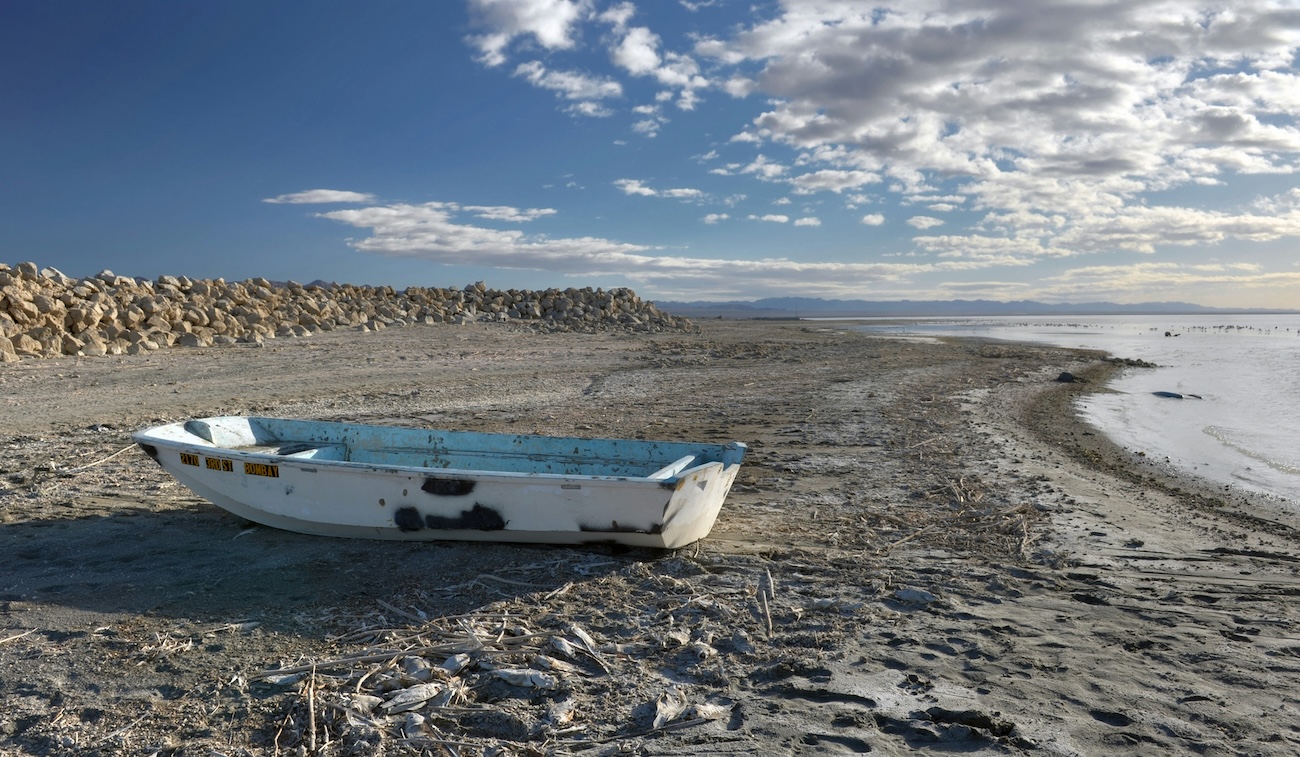
California's largest lake was created by accident in 1905. It is drying now, and the lakebed it leaves behind does not stay on the ground.
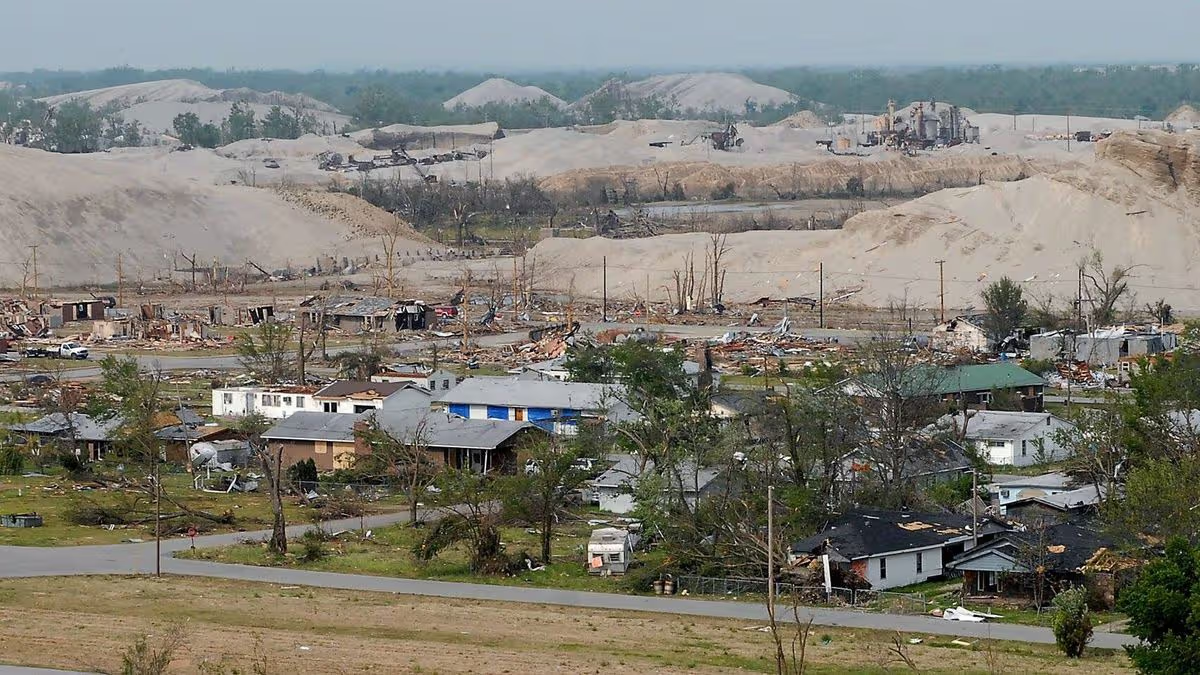
Picher, Oklahoma armed two world wars with the ore beneath its streets. The town was erased in 2009, and the reason is still stacked on the ground.
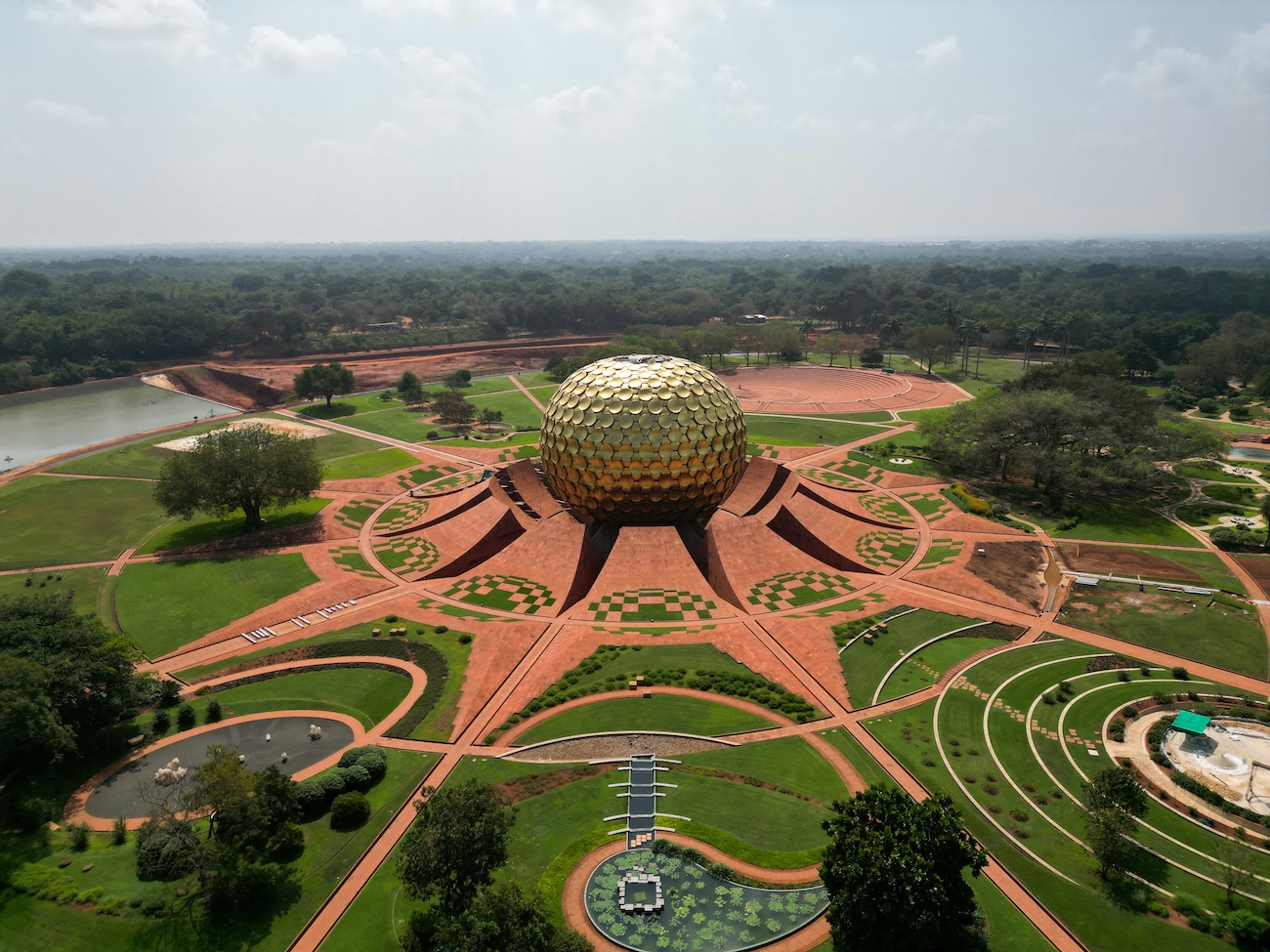
Auroville is an experimental city in South India, founded in 1968 to belong to all of humanity. Fifty years on, the dream is being fought over with bulldozers.
Martin Bormann blasted a road and a brass elevator through a mountain to build Hitler the ultimate gift. The Führer barely wanted to set foot in it.
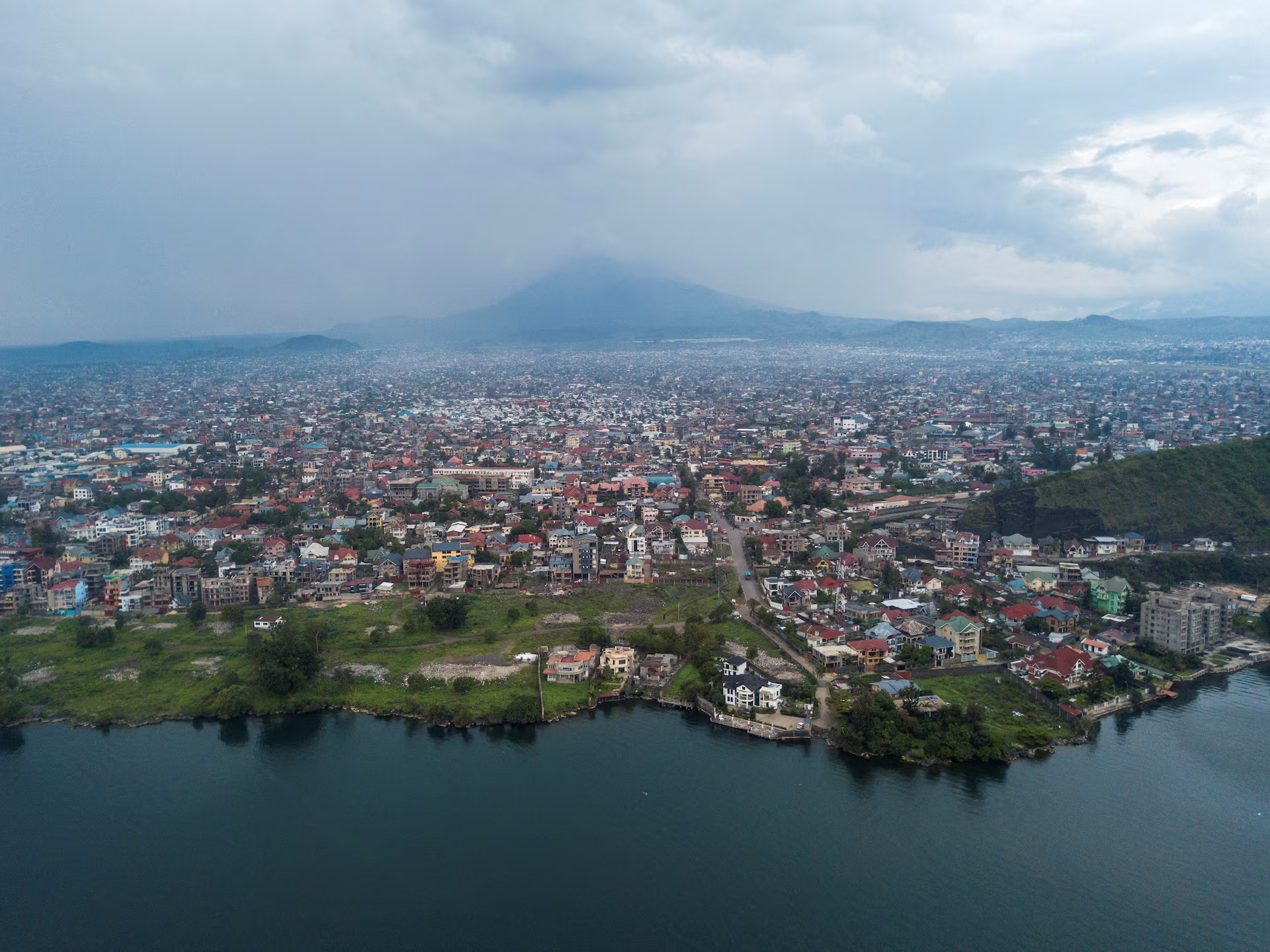
Goma sits beneath a volcano and beside a lake that could suffocate a million people — and Africa's deadliest war just returned. How does it survive?
Mount Rushmore was blasted into a Lakota sacred mountain by a Klan-tied sculptor, on land the Supreme Court ruled stolen. It started as a tourist stunt.
Baikonur gave humanity the stars. It also buried rocketry's worst disaster for 29 years — and lied about its own name.
Ponte City rose as apartheid-era luxury, fell into a garbage-filled vertical slum, and clawed back — the 54-story story of Johannesburg's most iconic tower.
Pitigliano is the Tuscan cliff-town carved into tuff that sheltered Jews from the popes for 500 years. Its synagogue stands restored today — and nearly empty.
The cliff-top fortress Vlad the Impaler built from the bodies of his enemies — and the tower his wife leapt from. The real Dracula's castle.
Antarctica's largest base ran on a leaking nuclear reactor for a decade — until cleaning it up forced the U.S. to ship a contaminated mountain home.
Eighty meters of broken Berlin cover a Nazi building the Allies couldn't destroy. The Americans put a listening station on top.